
Participation of ME Volynpryrodresurs in the Tenth International Scientific and Practical Conference “Subsoil Use in Ukraine: Investment Prospects”
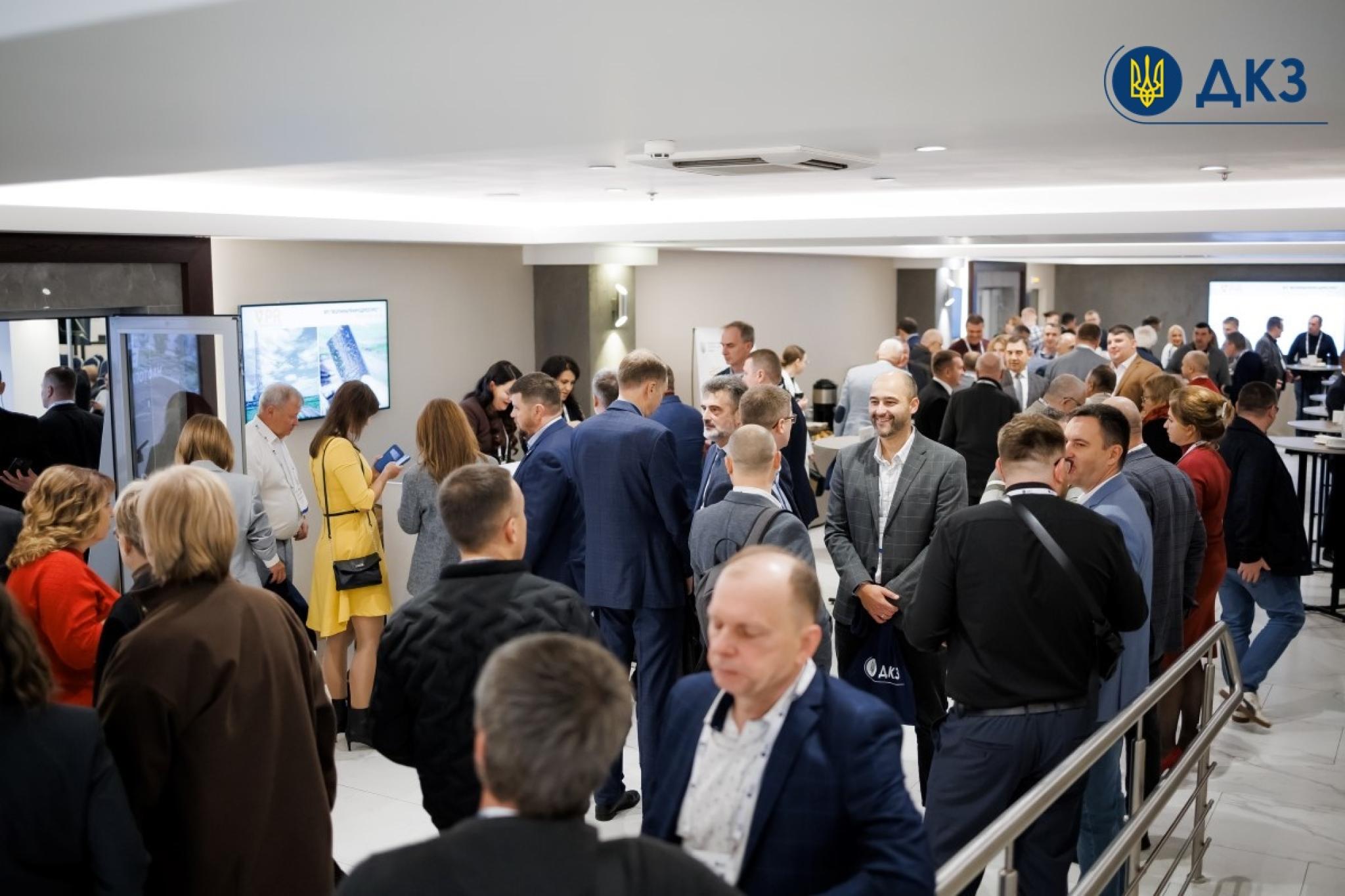
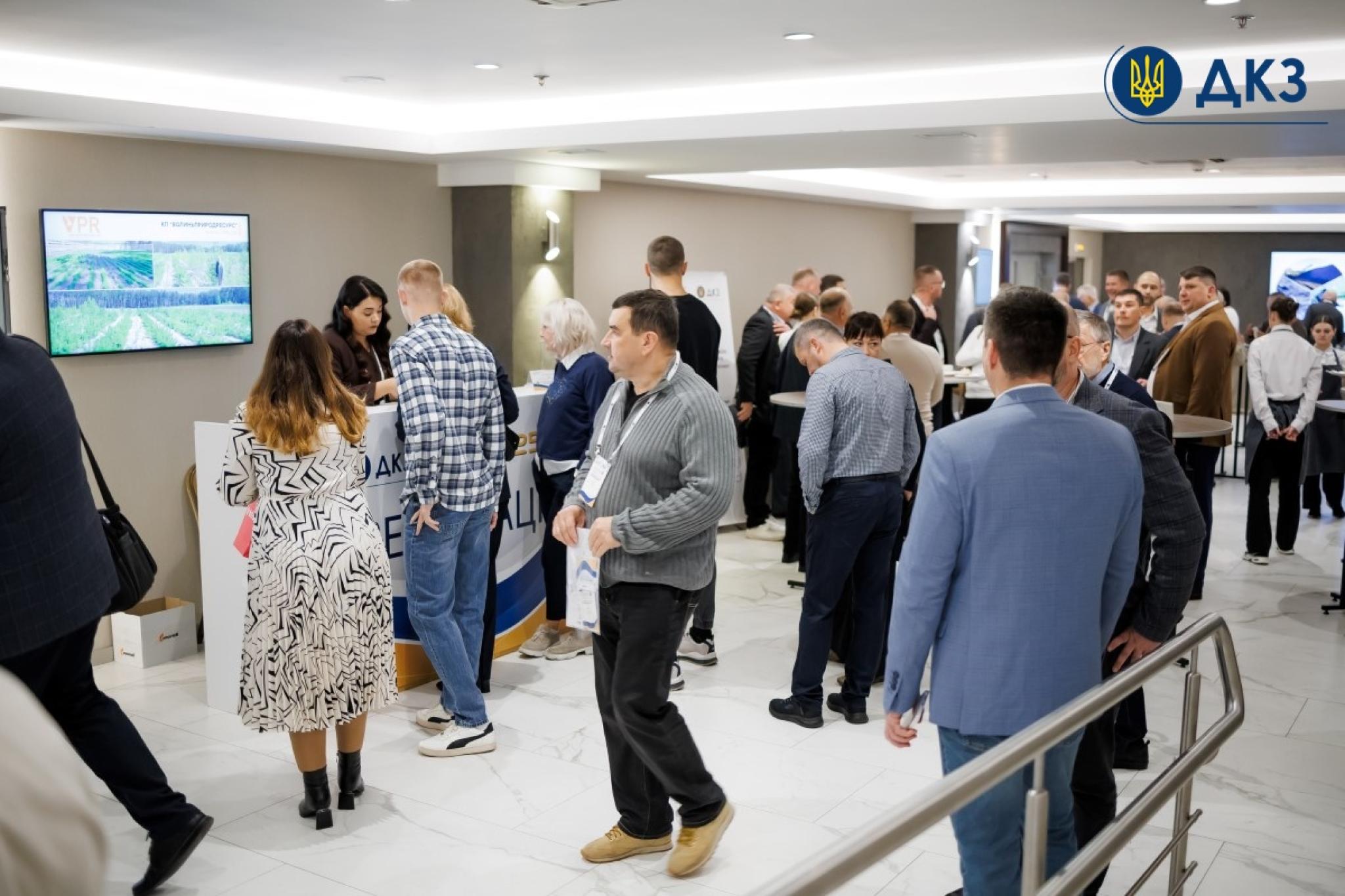
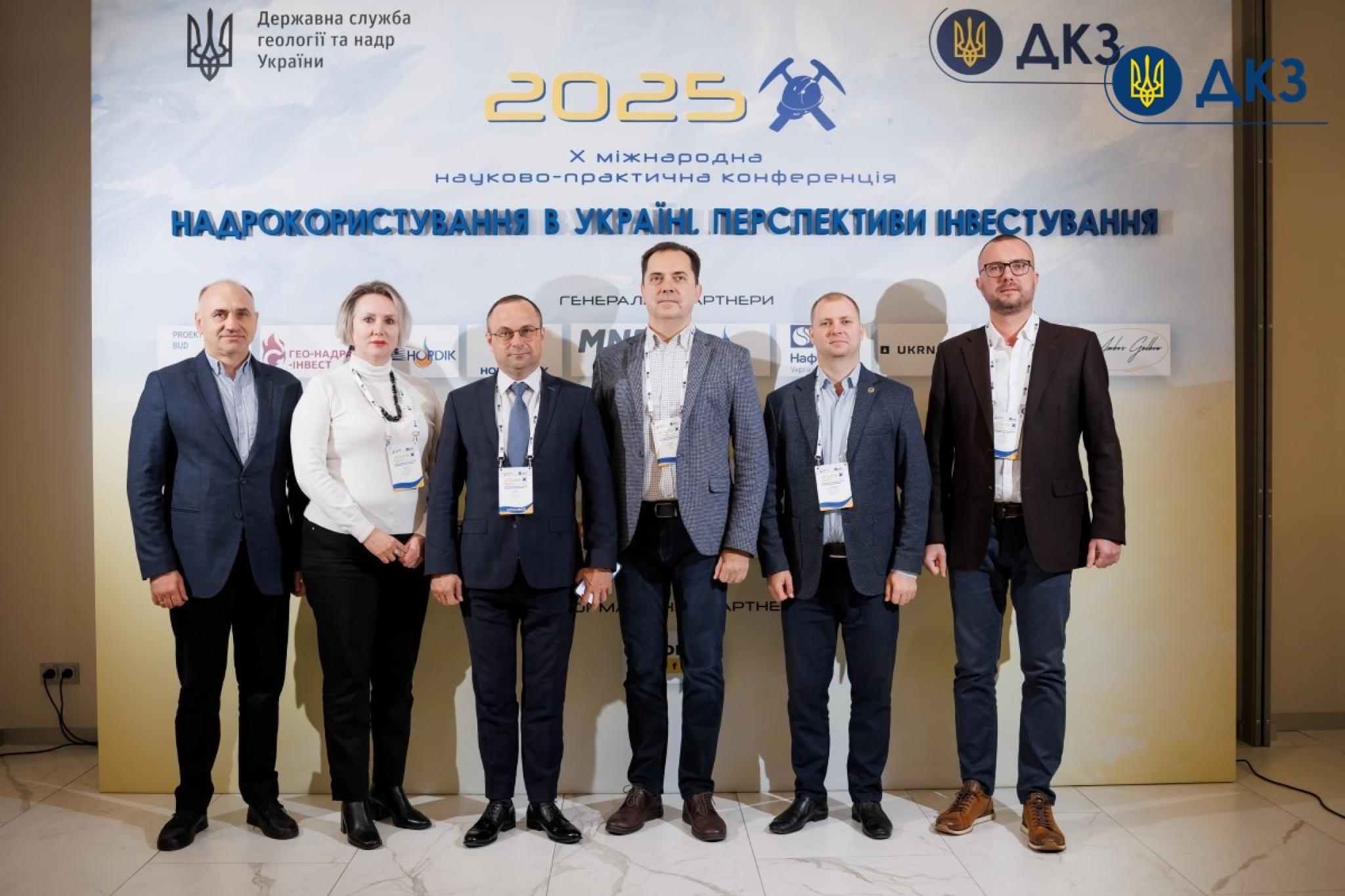
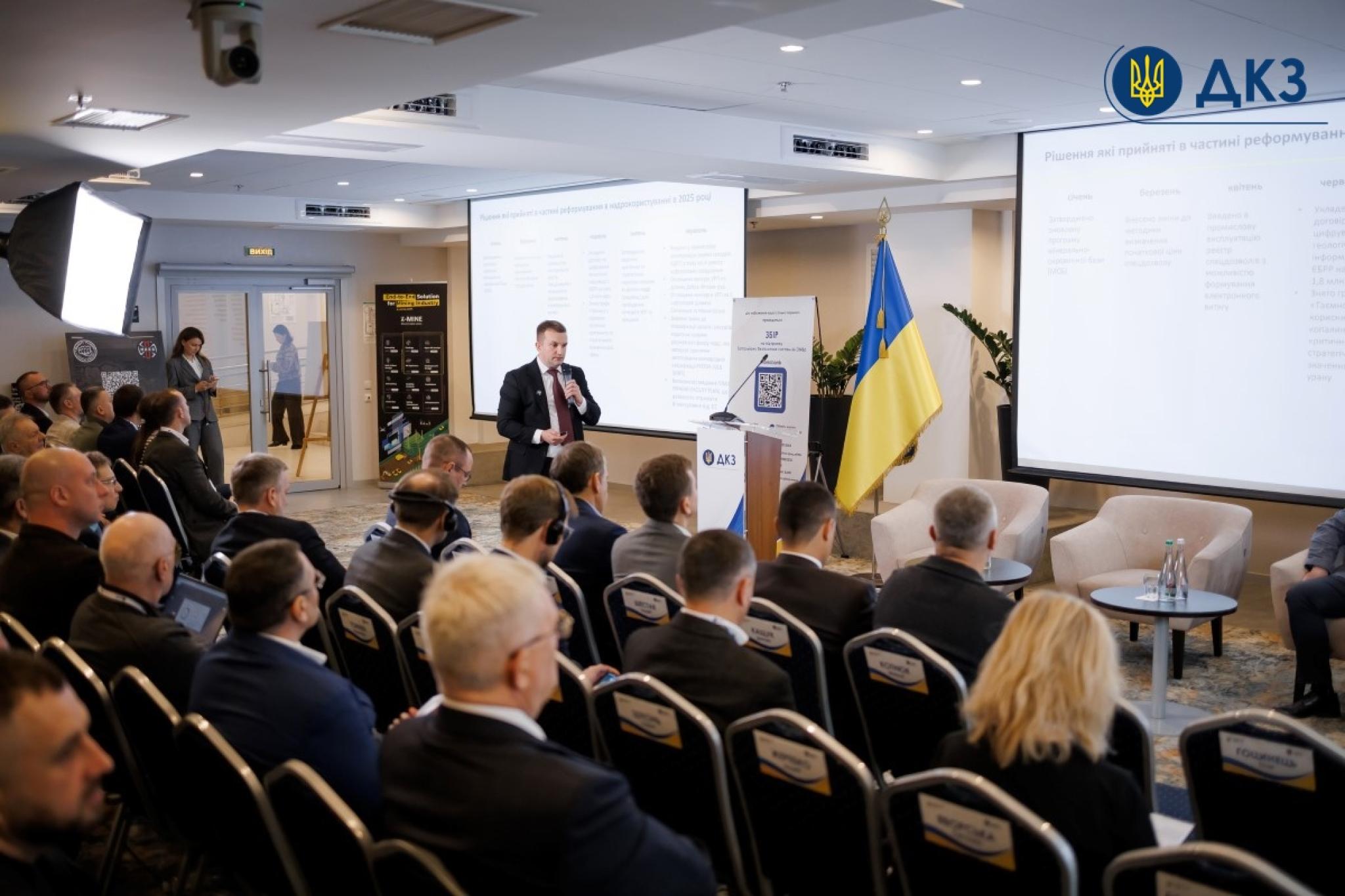
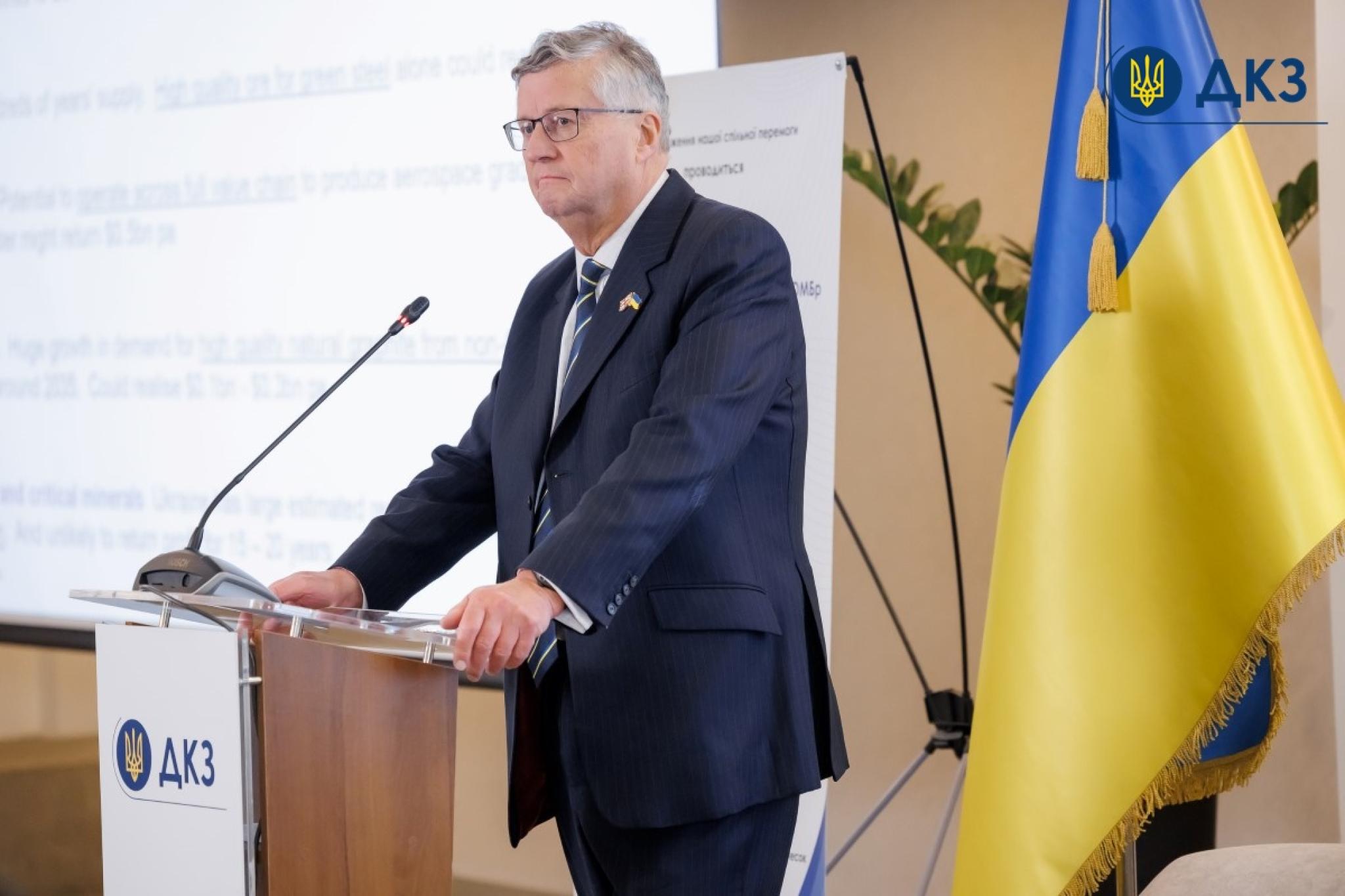
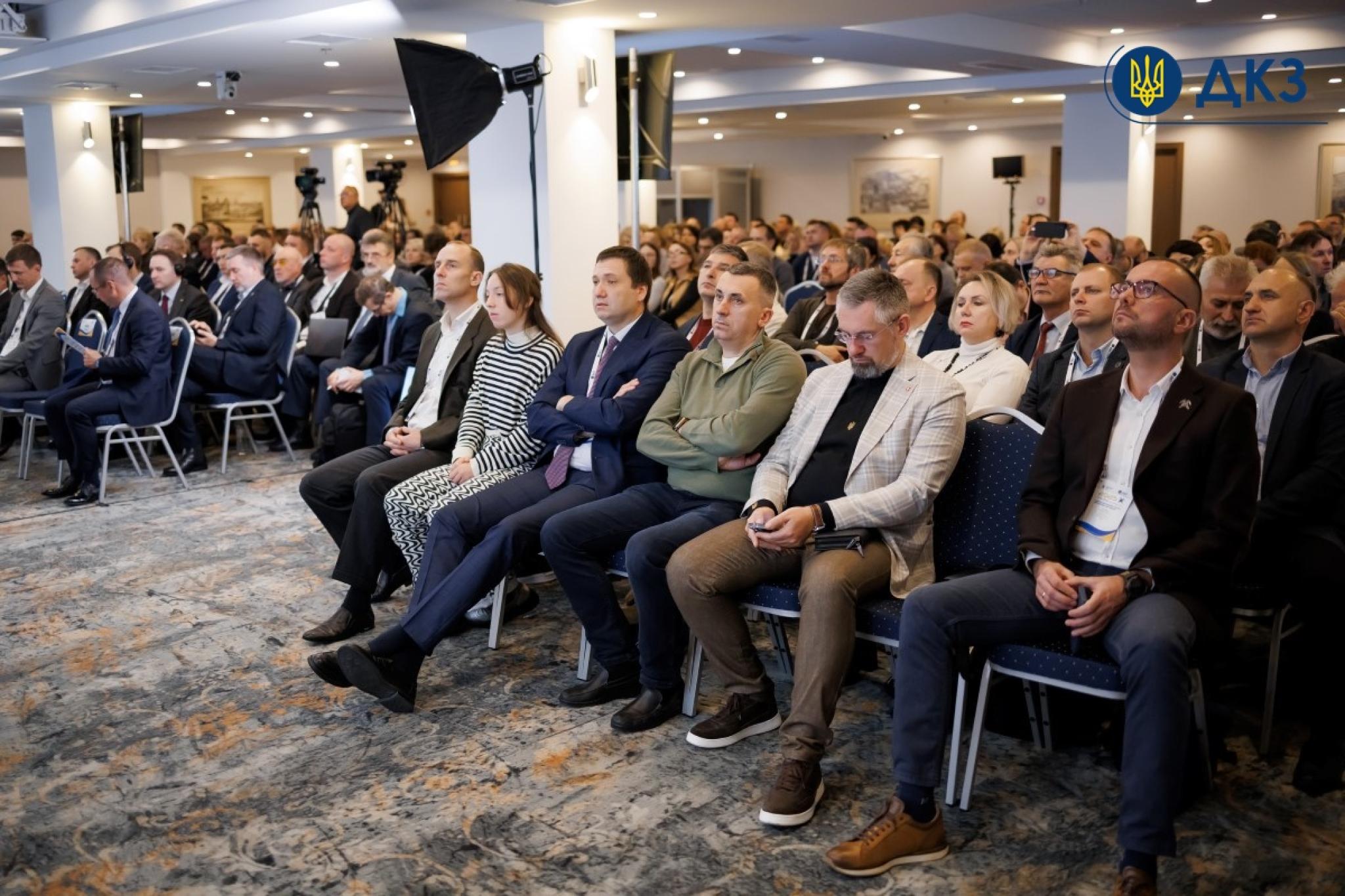
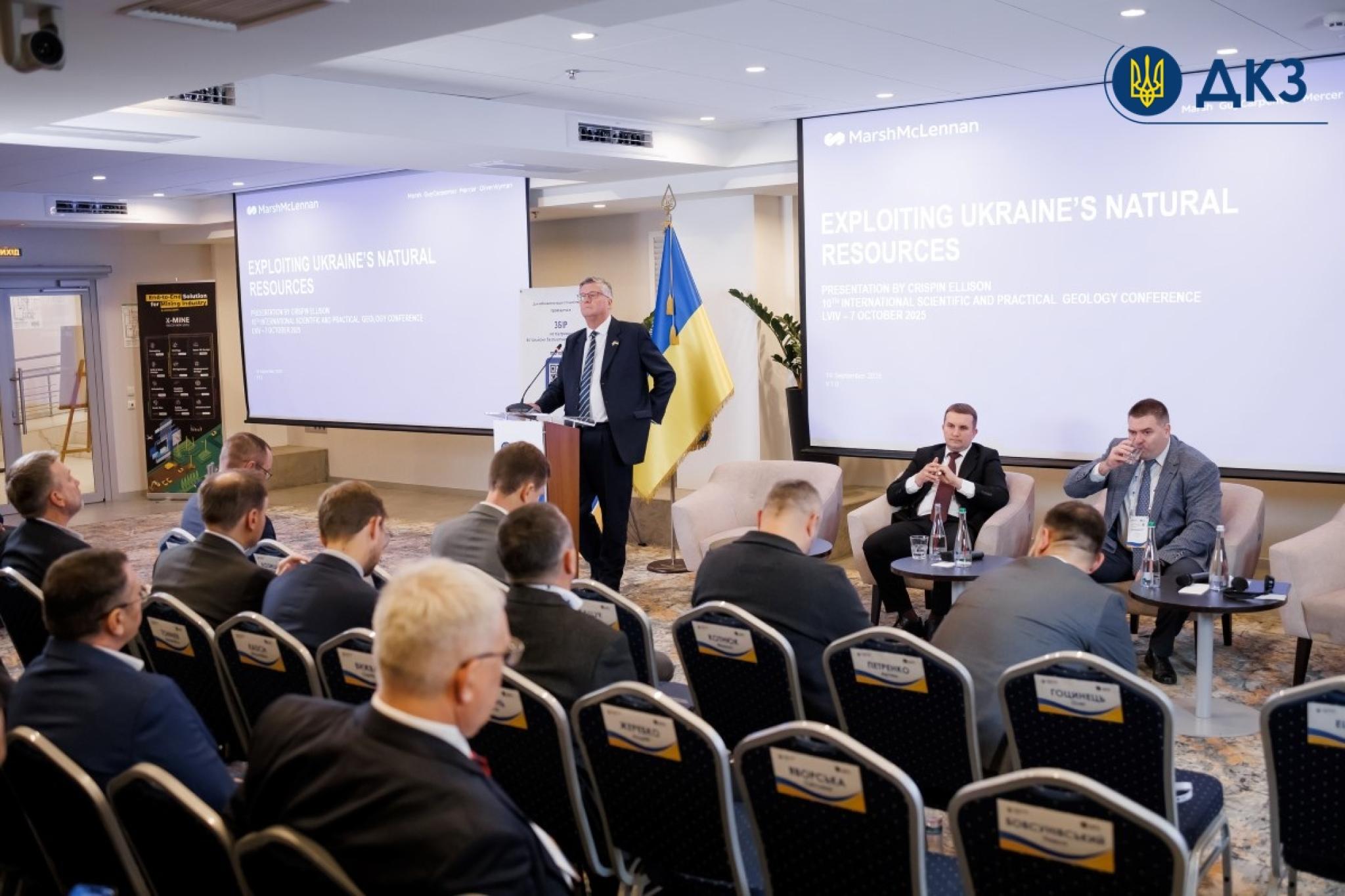
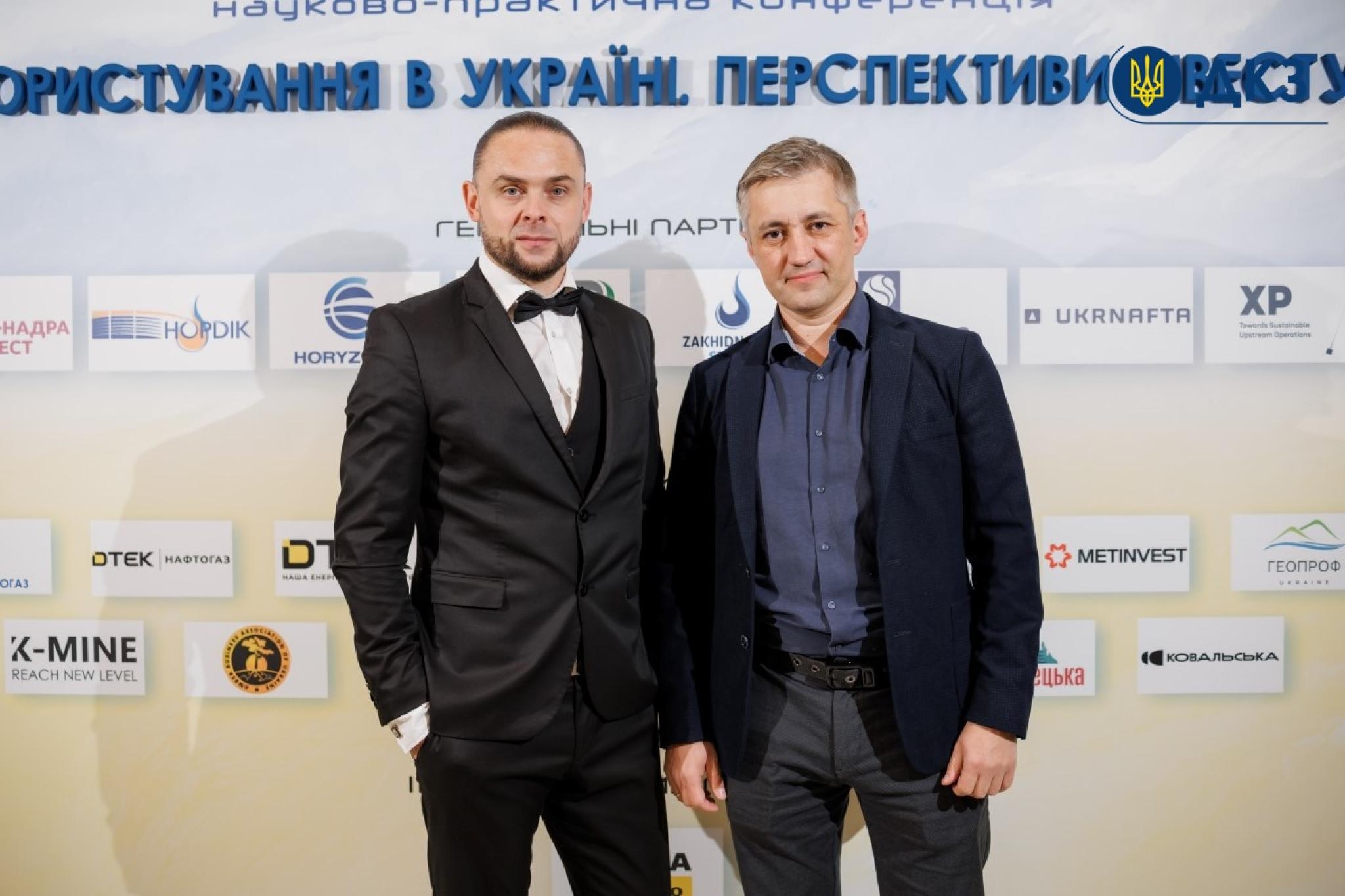
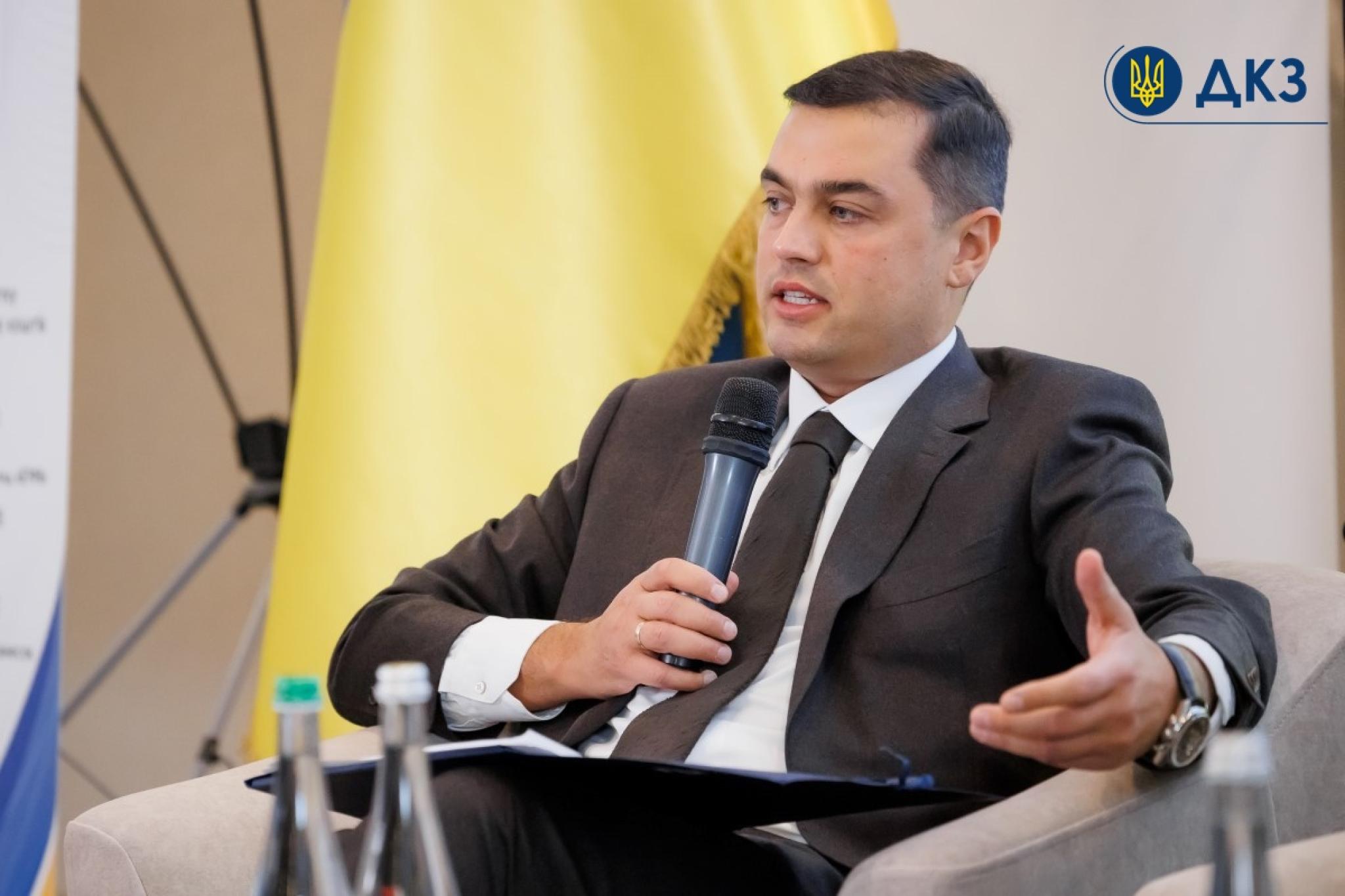
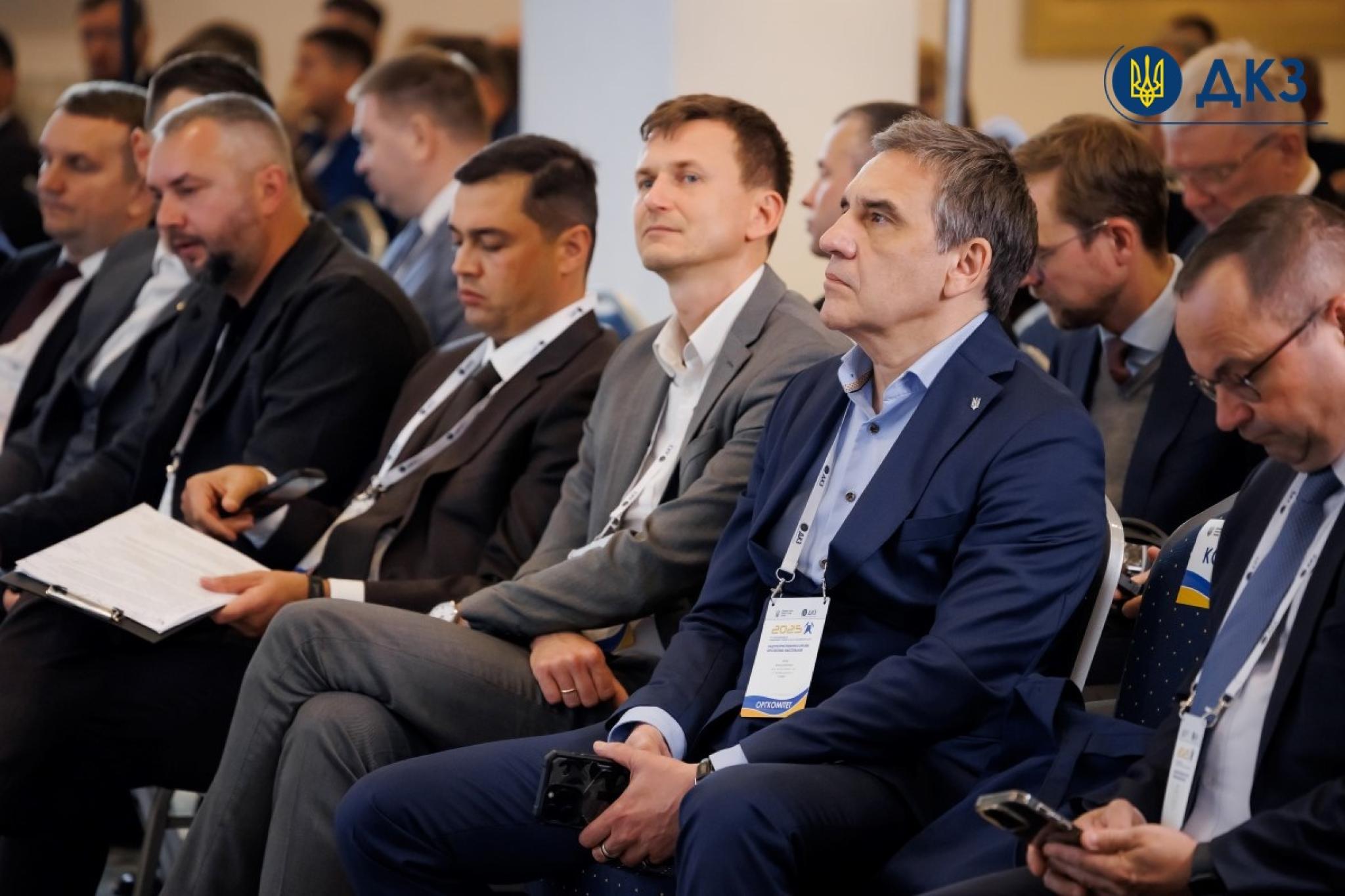
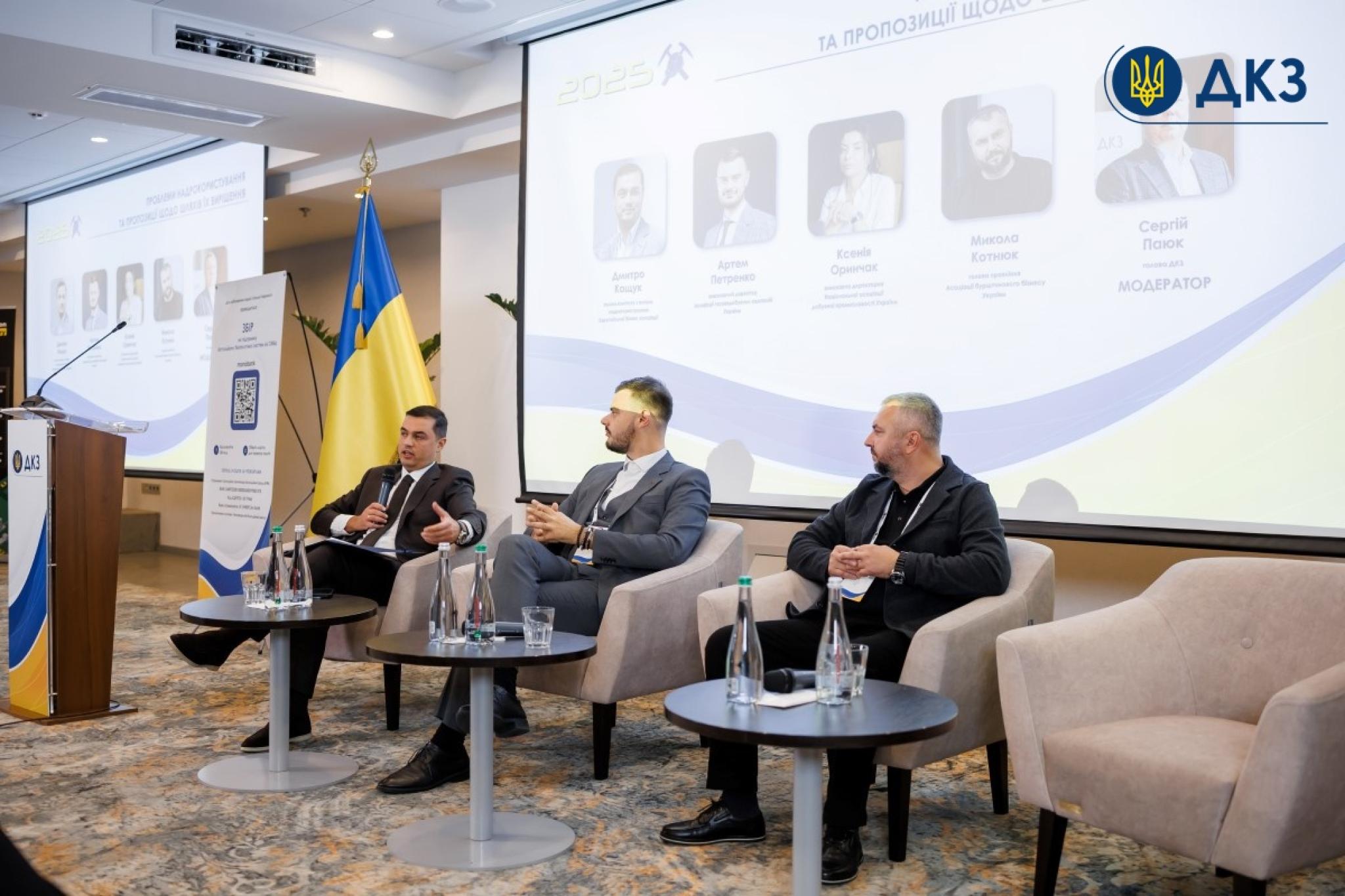
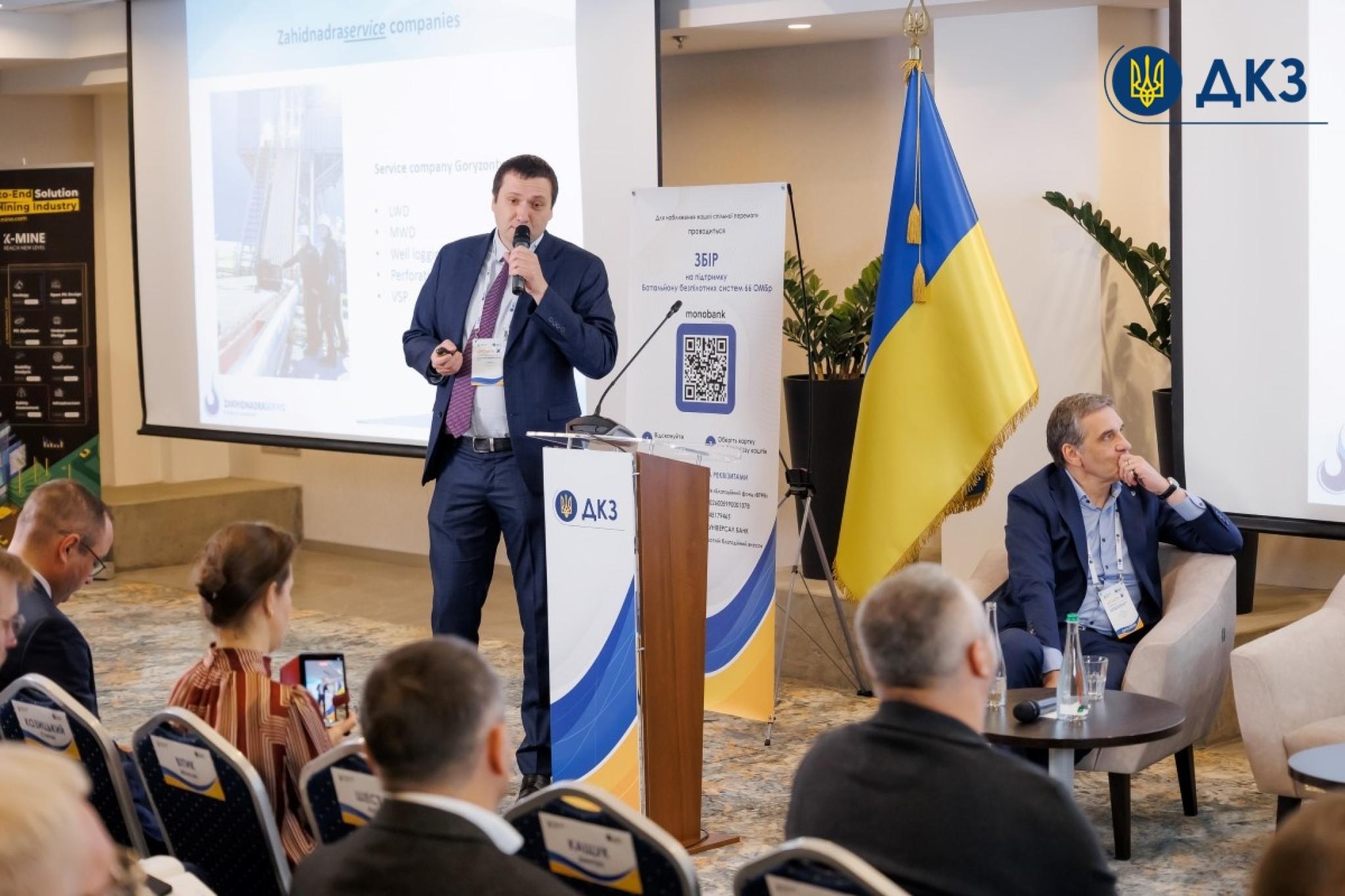
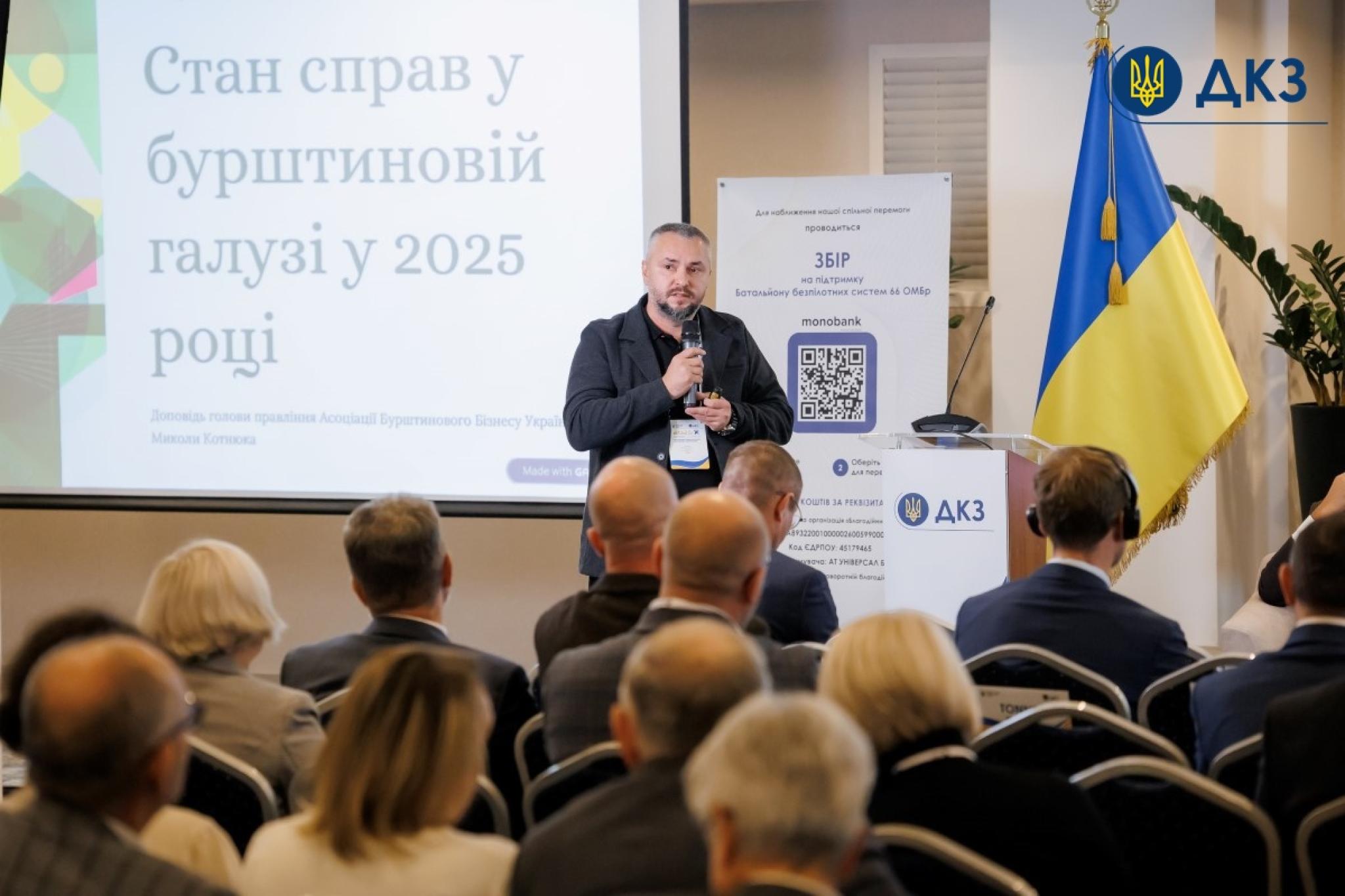
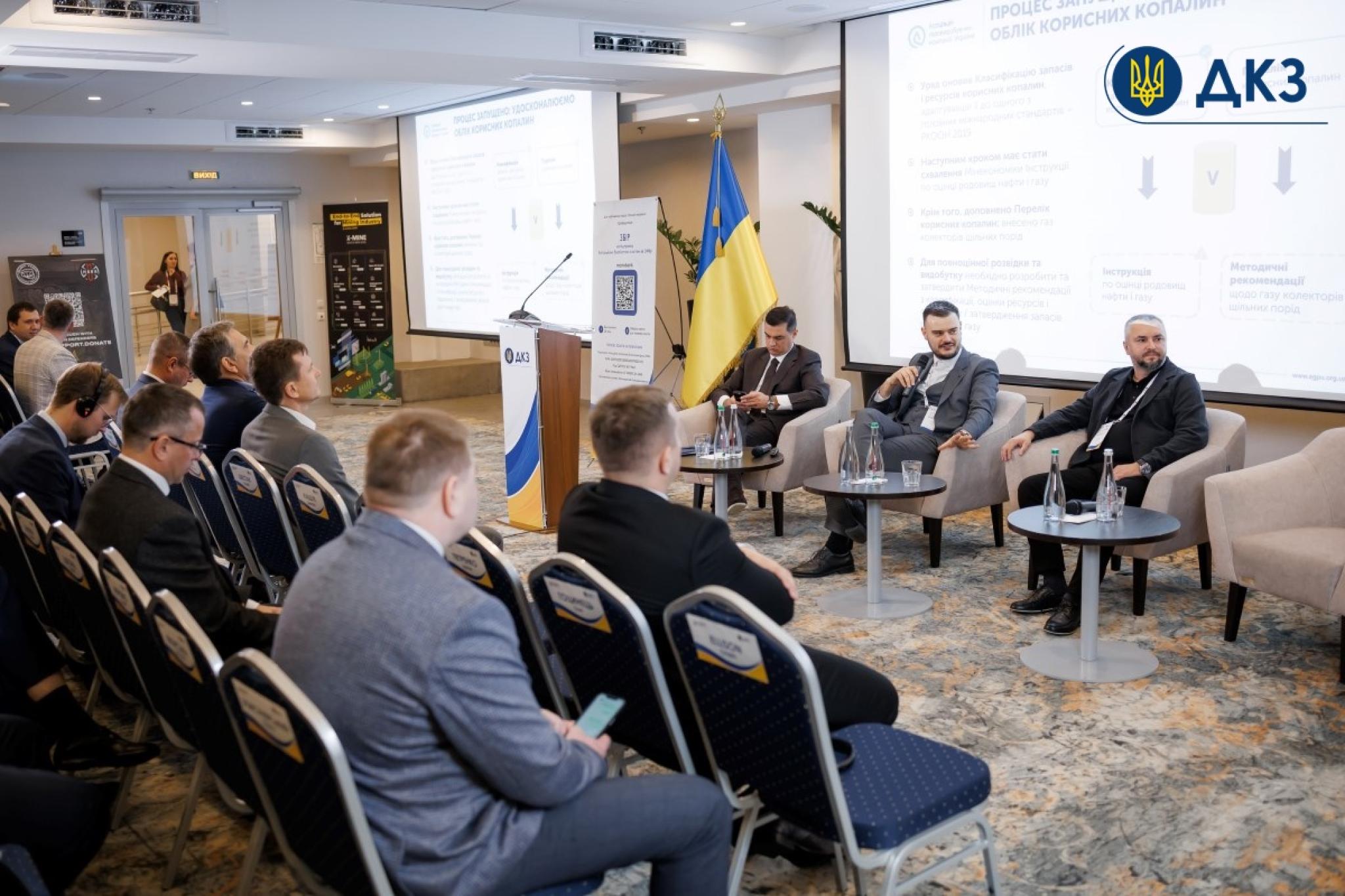
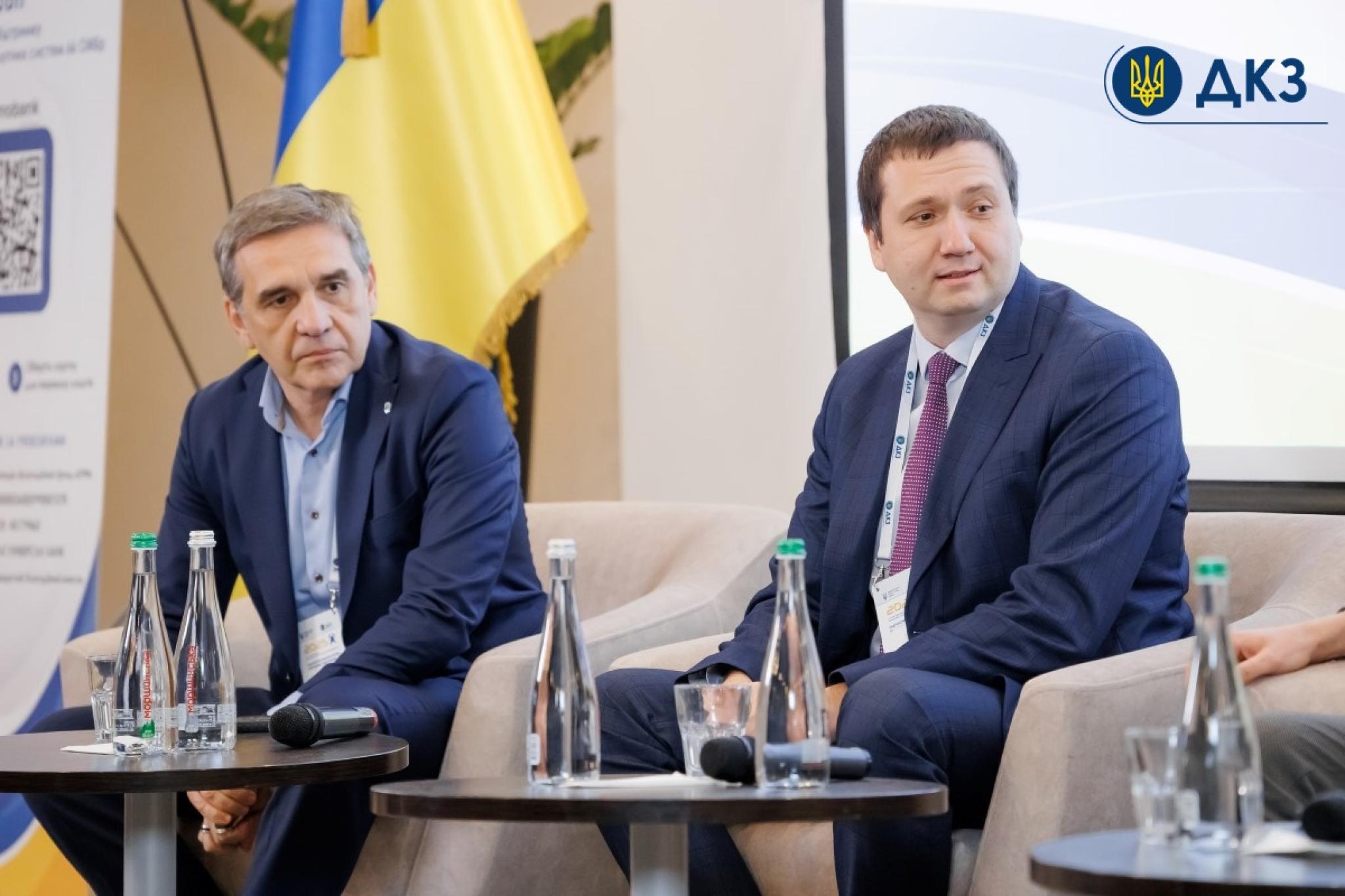
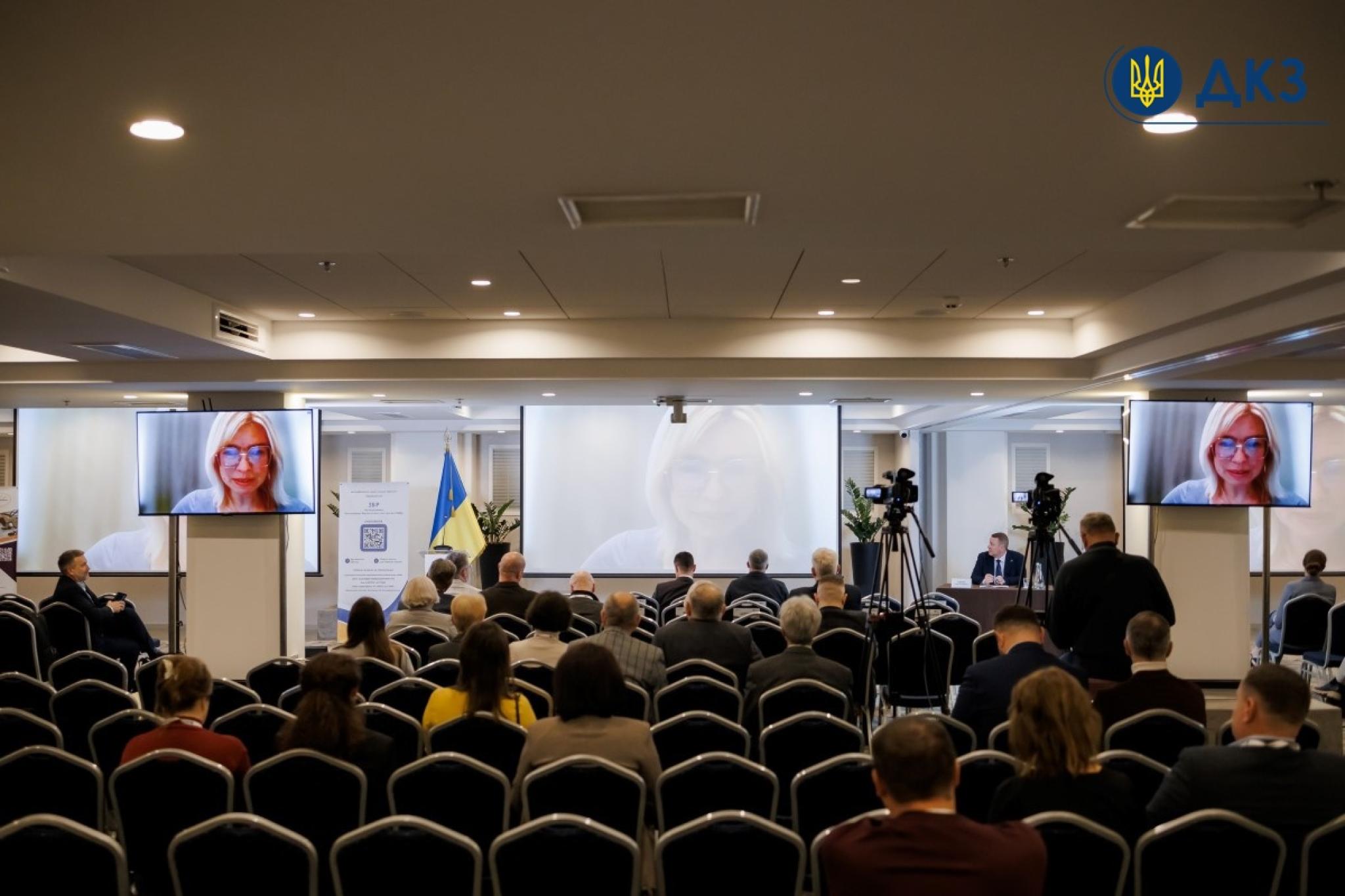
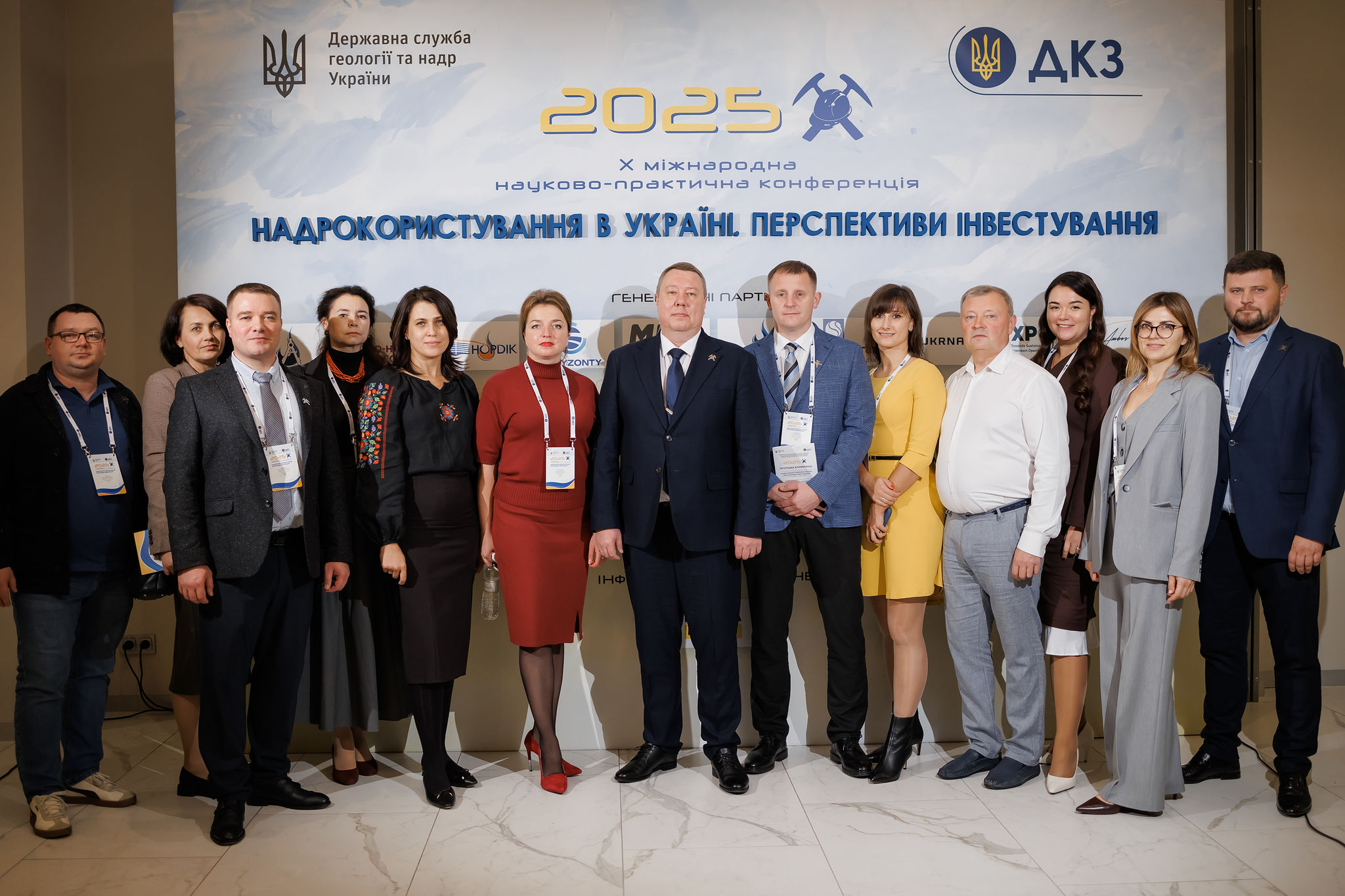
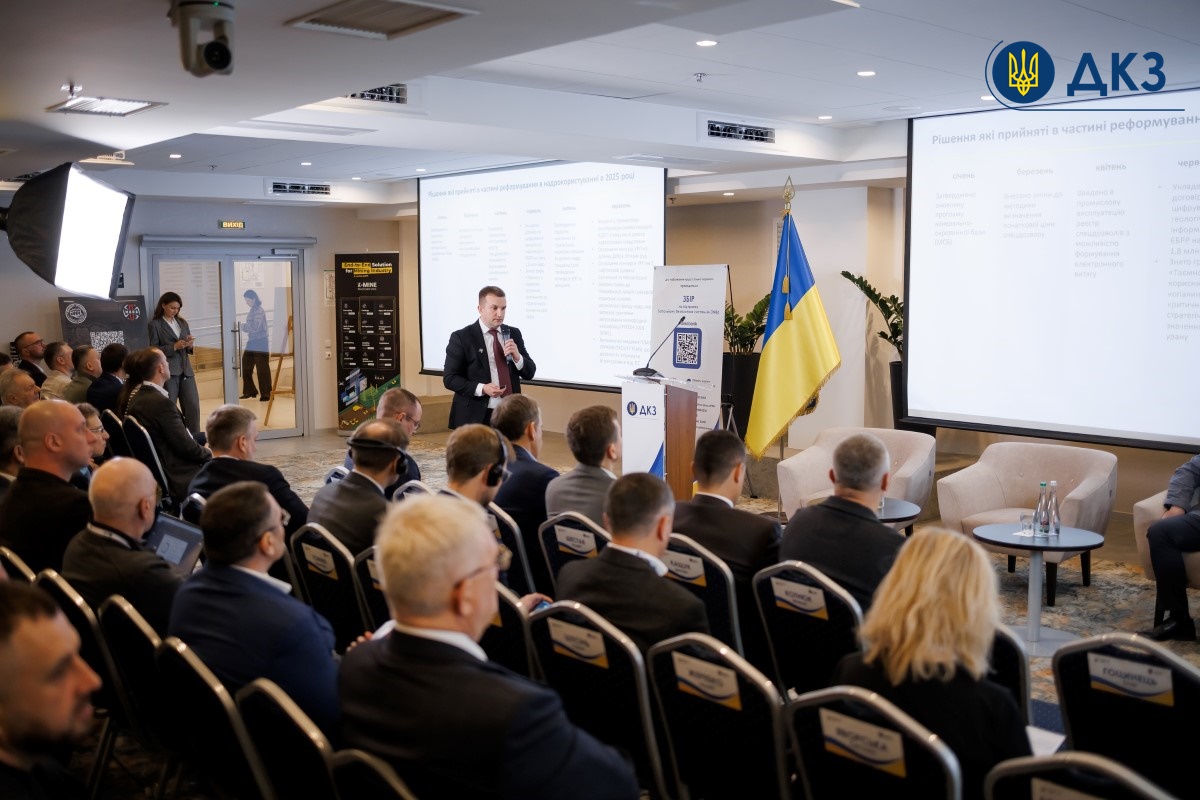
From 6 to 10 October 2025, the Tenth International Scientific and Practical Conference “Subsoil Use in Ukraine: Investment Prospects” took place in Lviv. Since 2014, this conference has become one of the most authoritative professional platforms for specialists in the geological, mining, oil and gas, and investment sectors. The nine previous editions received highly positive feedback and demonstrated the considerable interest of both Ukrainian and international experts in the development of the country’s mineral resources sector.
Purpose of the Conference
The purpose of the Conference is to strengthen the role of subsoil use in Ukraine, promote international cooperation in the field of subsoil utilisation, address investment opportunities in the mineral resources sector, and facilitate the exchange of experience in geological research and responsible resource management. It also aims to discuss current challenges in geology and subsoil use, support the expansion of Ukraine’s mineral resource base, and identify new directions for scientific research.
The organising committee includes leading industry specialists, researchers, and heads of key geological institutions. The Chair of the Committee is Oleh Hotsynets, Head of the State Service of Geology and Mineral Resources of Ukraine, and the Co-Chair is Serhii Paiuk, Head of the State Commission of Ukraine on Mineral Resources. Among the committee members are renowned scholars, including Serhii Vyzhva (Taras Shevchenko National University of Kyiv), Maksym Vityk (JSC Ukrgasvydobuvannya), Ivan Hafych (DTEK Oil and Gas LCC), Serhii Tsikhon (Ivan Franko National University of Lviv), Ihor Chudyk (Ivano-Frankivsk National Technical University of Oil and Gas), and Stella Shekhunova (Institute of Geological Sciences of the National Academy of Sciences of Ukraine). The committee secretaries are Hanna Bala and Oleksandra Hotsynets, representatives of the State Commission of Ukraine on Mineral Resources.
Participation of ME Volynpryrodresurs in the Conference
The conference “Subsoil Use in Ukraine: Investment Prospects” was held with the support of ME Volynpryrodresurs of the Volyn Regional Council (www.vpr.ua).
ME Volynpryrodresurs, a mining and extraction municipal enterprise under the Volyn Regional Council, was established in 2016 with the purpose of exploring and developing mineral deposits in the Volyn region, including amber, peat, and copper.
The enterprise traditionally contributes to scientific and practical initiatives aimed at developing the subsoil use sector and attracting investment into Ukraine’s mineral resources industry.
Regular participation of ME Volynpryrodresurs in specialised scientific conferences is of significant importance for the region. It ensures the representation of Volyn at national and international levels, facilitates the exchange of experience with research institutions and industrial companies, and strengthens the region’s reputation as an active participant in the reform and development of the national subsoil use system.
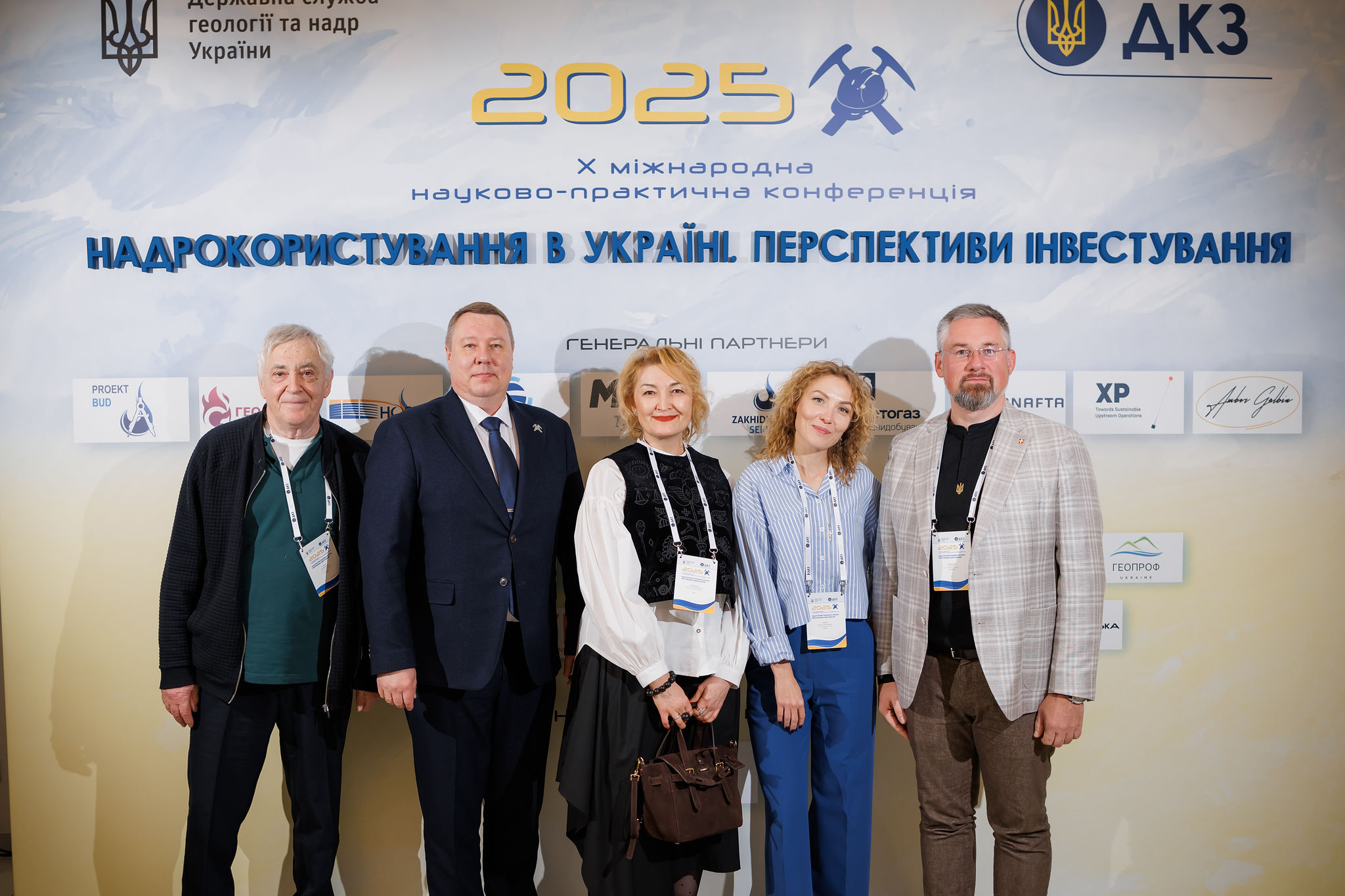
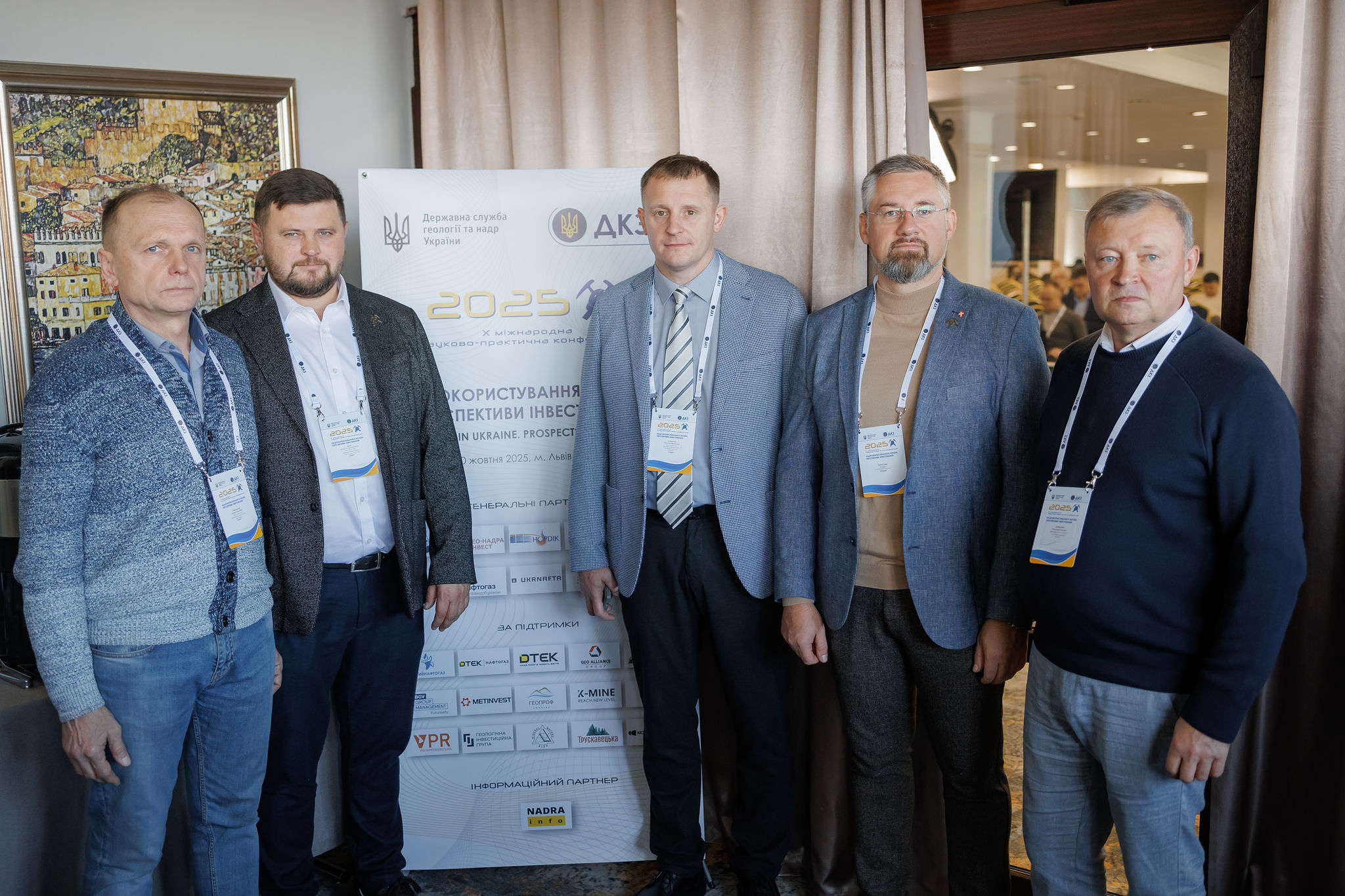
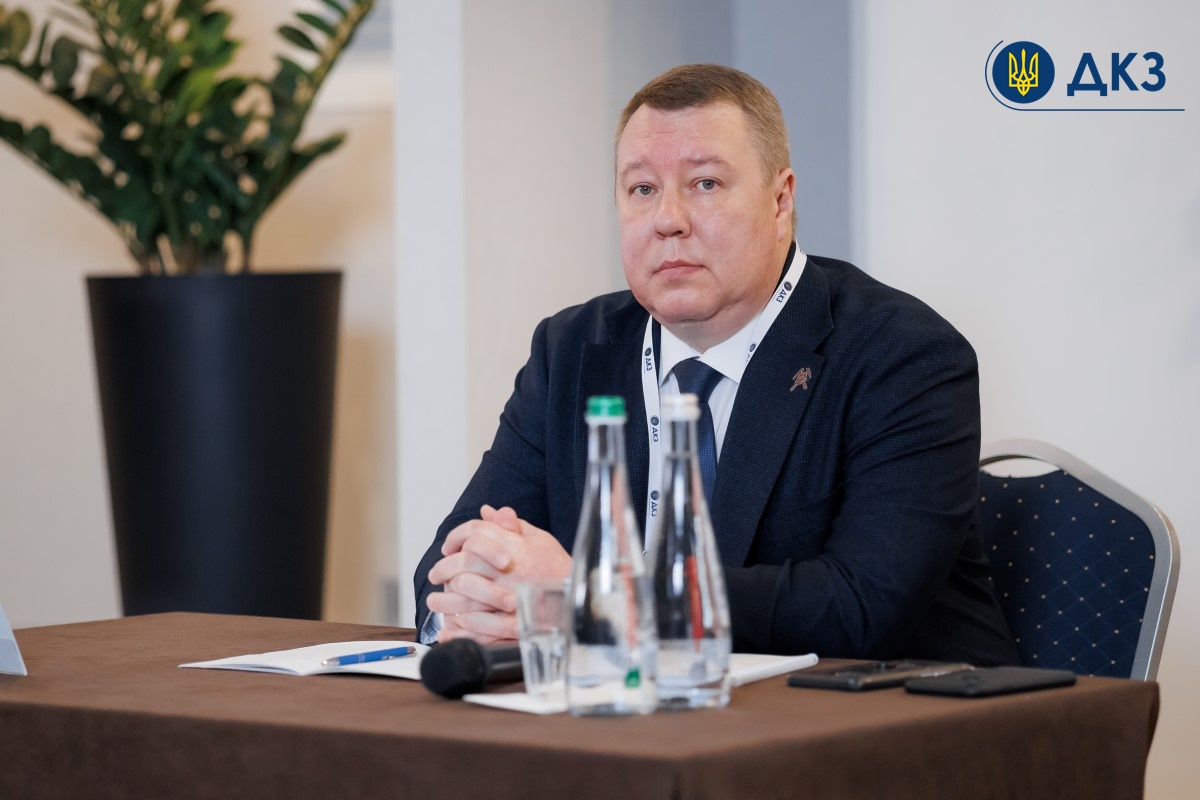
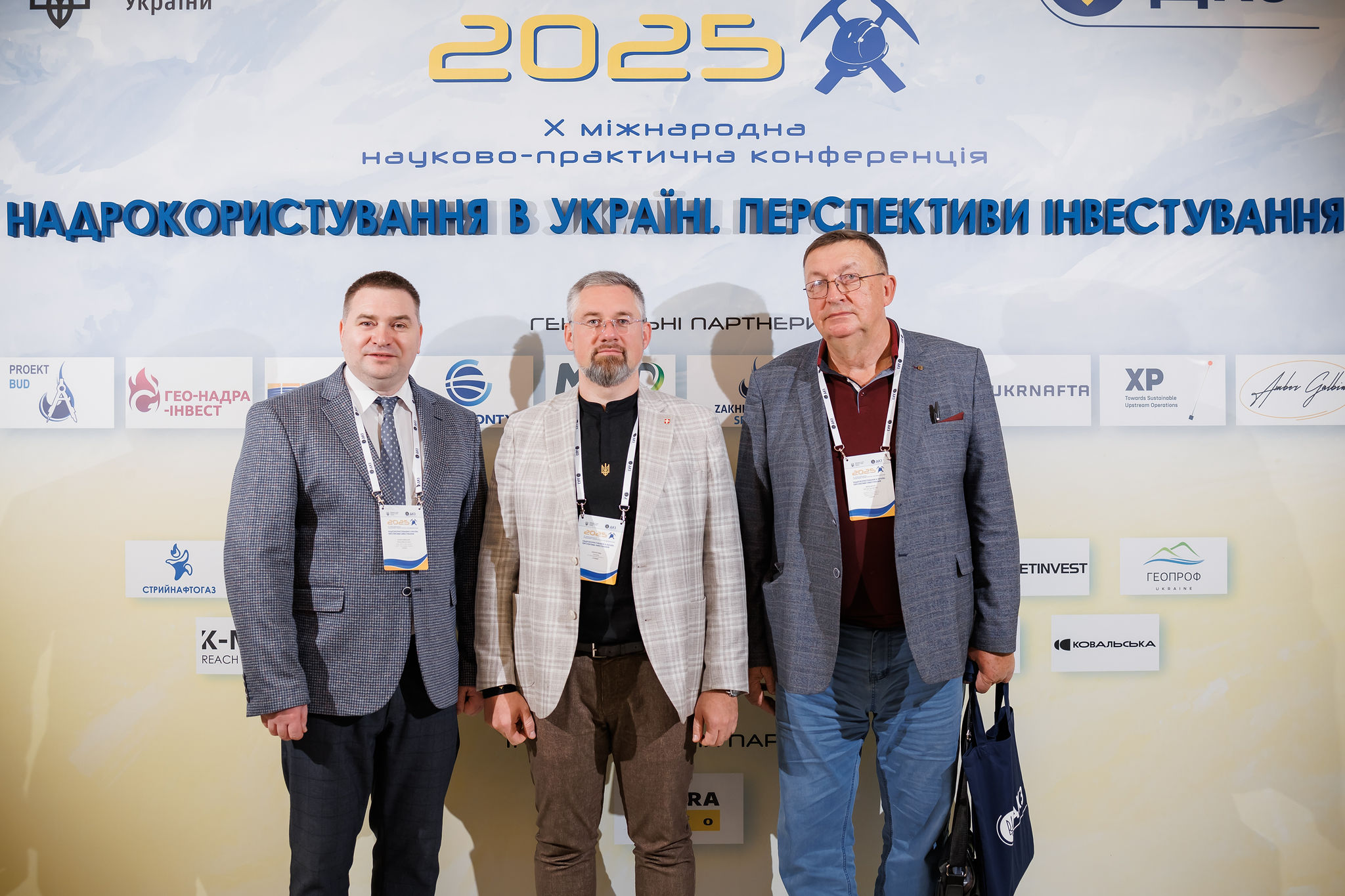
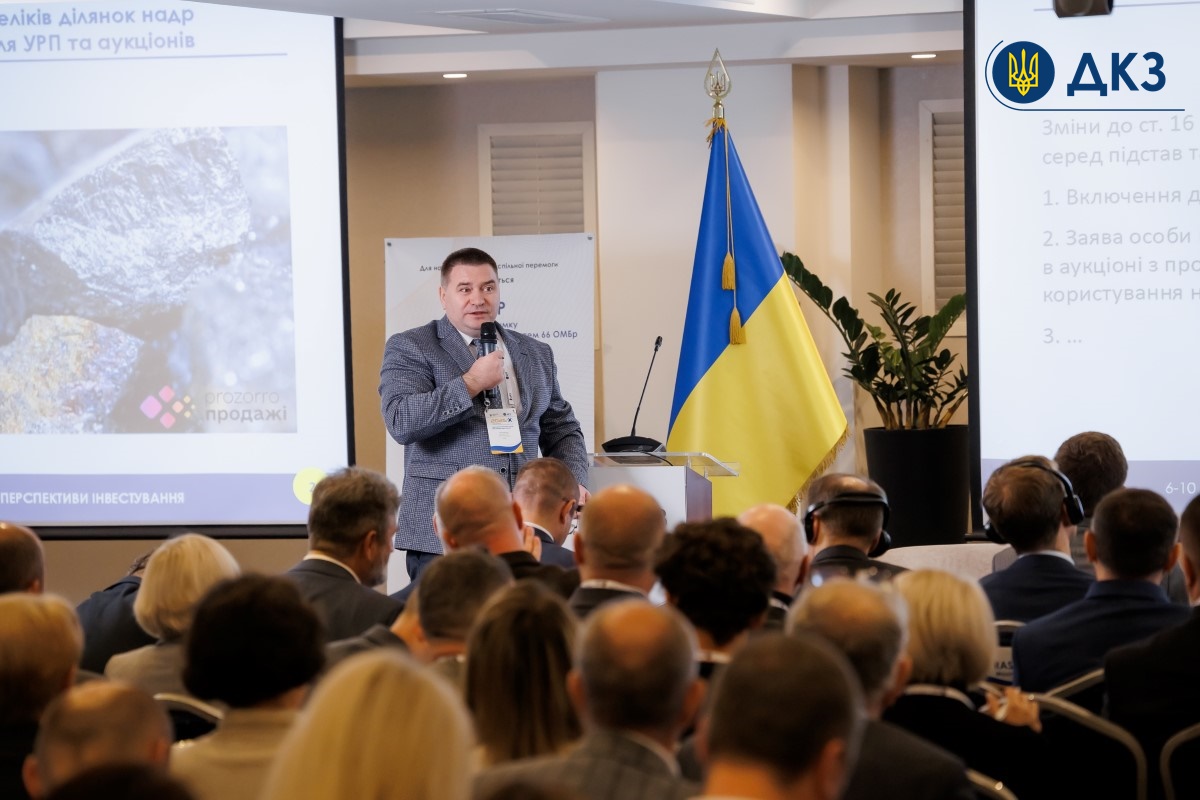
The conference was attended by the Director of KP Volynpryrodresurs, Anatolii Kapustiuk, who co-authored a scientific paper presented within Section 3: “Investment Potential of Ukraine’s Mineral Resource Base”.
Topic of the report:
“Renewal and expansion of 1:200,000-scale geological predictive mapping of Ukrainian Polissia with an assessment of amber prospects within sheets M-35-II, -III, -IV, -V, -VIII, -IX.”
Co-authors:
Viktor Melnychuk, Serhii Volnenko, Anatolii Kapustiuk, Oleh Bohelskyi, Mykhailo Stoliarets, Mariia Krynytska, and Danylo Koval, Doctor of Geological Sciences, Head of the Department of Geology and Hydrology at the National University of Water and Environmental Engineering.
More details on the report: Amber-Bearing Areas of Polissia: Summary of the Presentation at the Conference “Subsoil Use in Ukraine: Investment Prospects”
Key Thematic Areas
Reform of the subsoil use sector: transparency, openness, accessibility
Critical and strategic minerals: global opportunities for Ukraine
Mineral resource management for sustainable development
Investment potential of Ukraine’s mineral resource base
Methodology and practice of geological and economic assessment of deposits under various classification systems
Ukraine’s energy independence and the strengthening of national energy capacity
Environmental challenges associated with mineral extraction
Utilisation of groundwater
Green transition: challenges and opportunities
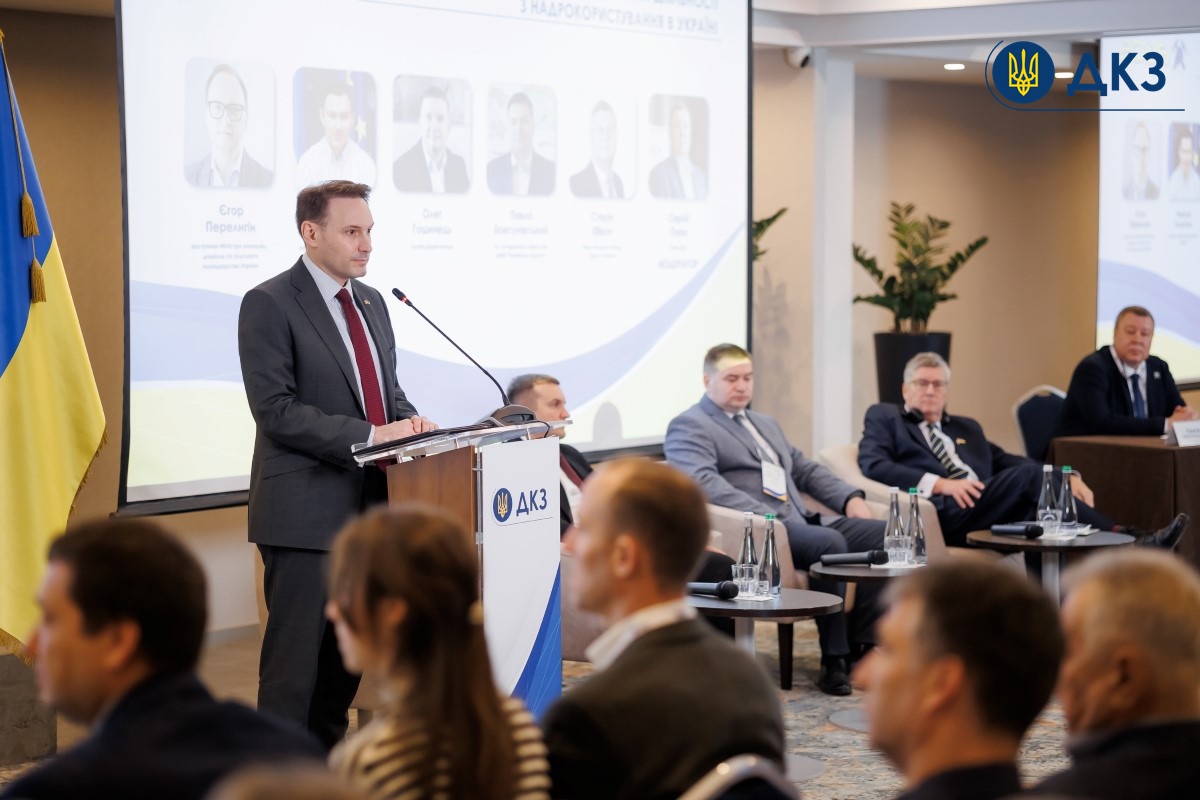
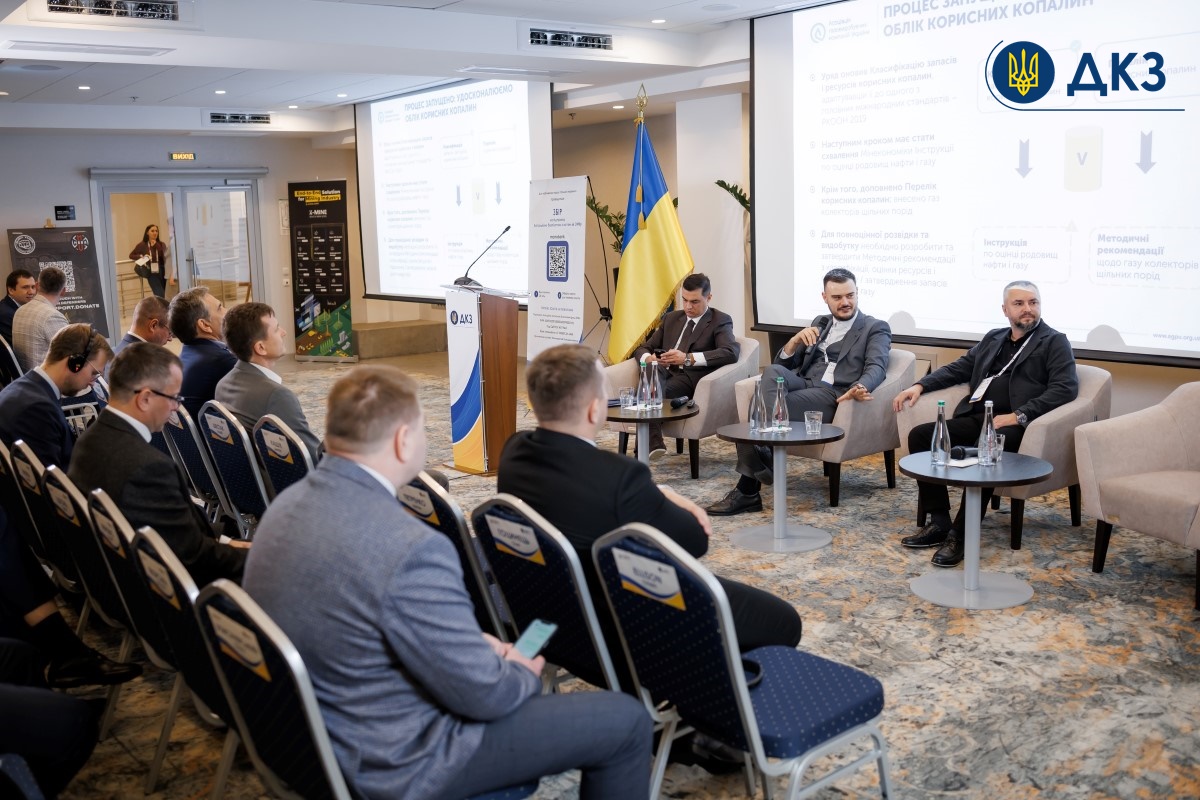
The official opening of the conference took place in the format of a series of panel discussions dedicated to key issues of subsoil use, energy security, and the sector’s human resource capacity.
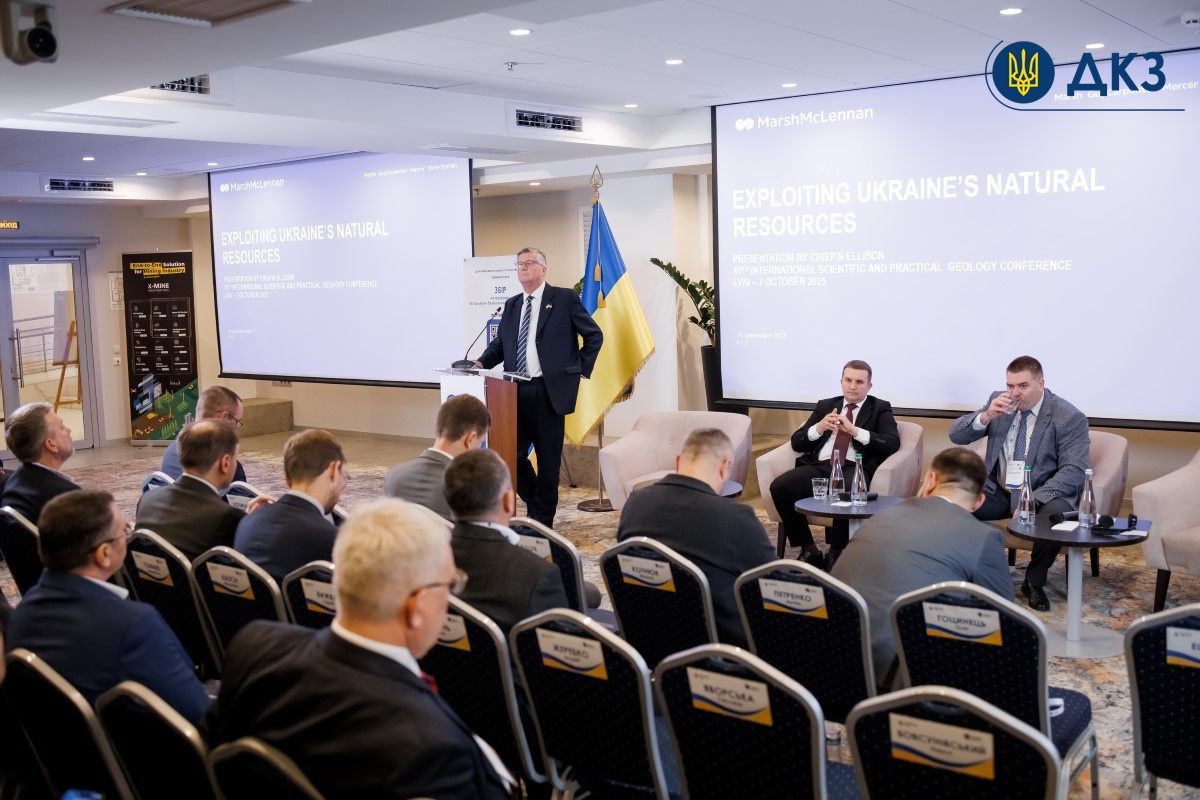
The first panel, “Improving Regulatory Activities in Subsoil Use in Ukraine,” featured contributions from:
Yehor Perelyhin – Deputy Minister of Economy, Environment and Agriculture of Ukraine
Mykola Kolisnyk – Deputy Minister of Energy of Ukraine
Oleh Hotsynets – Head of the State Service of Geology and Mineral Resources
Pavlo Bovsunivskyi – Acting Director General of State Enterprise “Geoinform of Ukraine”
Crispin Ellison – Representative of the international company Marsh McLennan Group
The second panel, “Challenges in Subsoil Use and Ways to Address Them,” brought together representatives of business associations:
Dmytro Kashchuk (European Business Association), Artem Petrenko (Association of Gas Production Companies of Ukraine), Kseniia Orynchak (National Association of Extractive Industries), and Mykola Kotniuk (Ukrainian Amber Business Association).
The third panel, “Energy Independence of Ukraine: Challenges in Wartime,” featured insights from:
Maksym Vityk (Ukrgasvydobuvannya), Andrii Shestak (DTEK Naftogaz), and Stepan Kozytskyi (Zakhidnadraservis), who discussed ensuring the stability of energy resource extraction, the introduction of innovations, and strategies for restoring the energy sector.
The opening concluded with the panel “High-Quality Training of Specialists for the Extractive Sector in Wartime Conditions,” with contributions from Ihor Chudyk (IFNTUOG), Serhii Vyzhva (Taras Shevchenko National University of Kyiv), and Serhii Tsikhon (Ivan Franko National University of Lviv).
The opening of the conference demonstrated a comprehensive approach to the development of subsoil use and energy security in Ukraine. The panel discussions and subsequent sessions covered key areas of regulatory reform, addressing challenges in subsoil use, strengthening energy independence under wartime conditions, and preparing highly qualified professionals for the sector.
Participants discussed strategic challenges and opportunities, emphasising the importance of cooperation between the state, businesses, and academic institutions to ensure sustainable development and strengthen the country’s resource potential.
Fundraising in Support of the Armed Forces of Ukraine
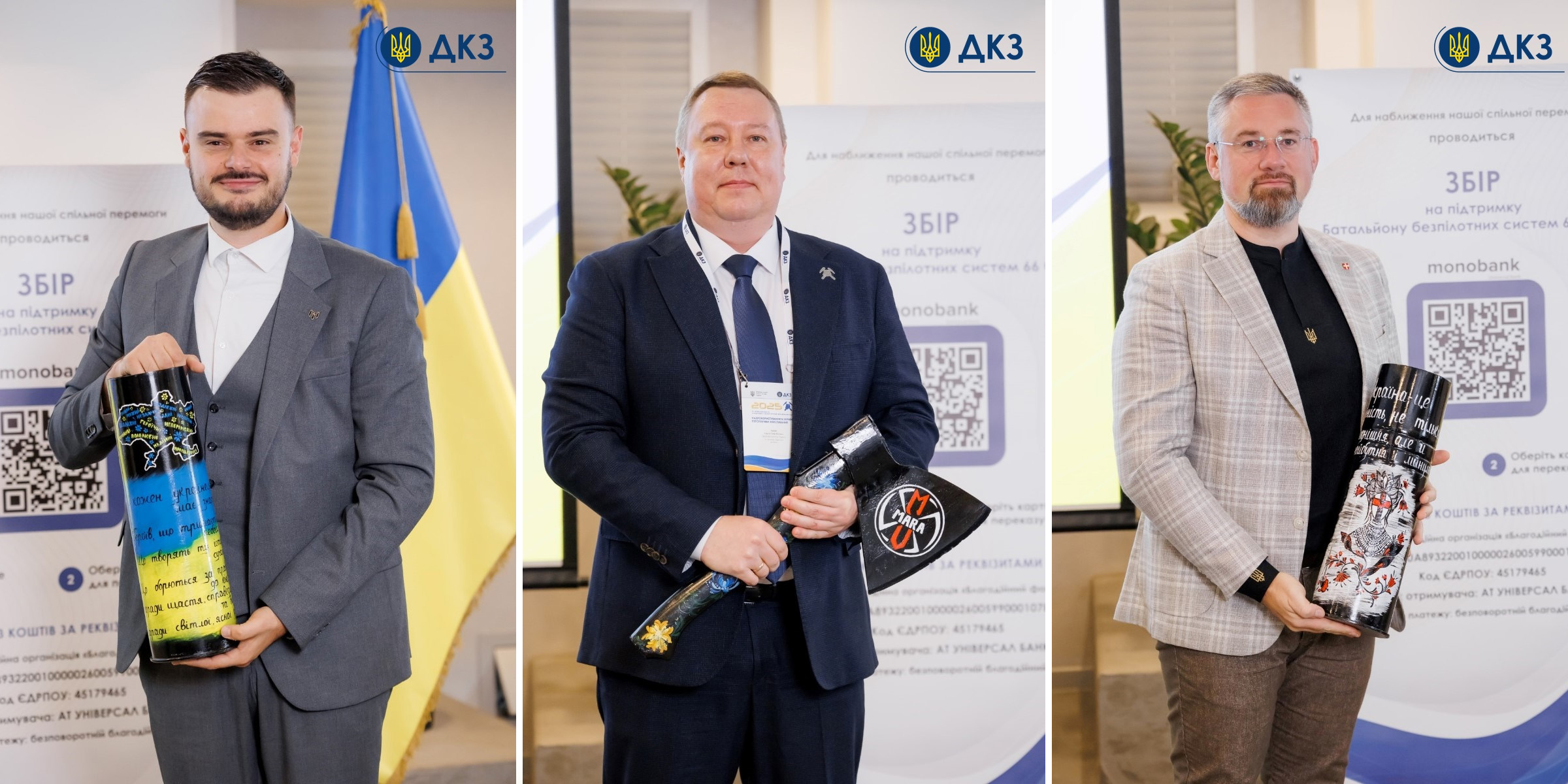
A separate highlight of the event was the charitable initiative organised by the State Commission of Ukraine on Mineral Resources. As part of a fundraising campaign to support the Unmanned Systems Battalion of the 66th Separate Mechanised Brigade, conference participants and guests contributed to assisting the Armed Forces of Ukraine. Each participant who made a donation of at least 250 UAH received a symbolic DCZ badge as a token of gratitude and support for Ukraine’s defenders. This initiative became an example of unity within the professional community in pursuit of Ukraine’s shared victory.
An auction was also held as part of the fundraising effort, featuring symbolic, patriotic, and valuable items.
Conclusions and Outlook
The conference served as an important platform for knowledge exchange between Ukrainian and international experts, promoted the integration of modern technologies into the geological and energy sectors, and underscored the need to balance resource development with environmental safety. Participants emphasised the importance of continued cooperation between the scientific community, government institutions, and the private sector to strengthen Ukraine’s energy independence and ensure the sustainable development of its regions.
State Commission of Ukraine on Mineral Resources and ME Volynpryrodresurs: Visit to the Amber Plant
On 10 October 2025, immediately following the conclusion of the Tenth International Scientific and Practical Conference Subsoil Use in Ukraine: Investment Prospects, the delegation of the State Commission of Ukraine on Mineral Resources, led by its Chair, carried out a working visit to Volyn Region.
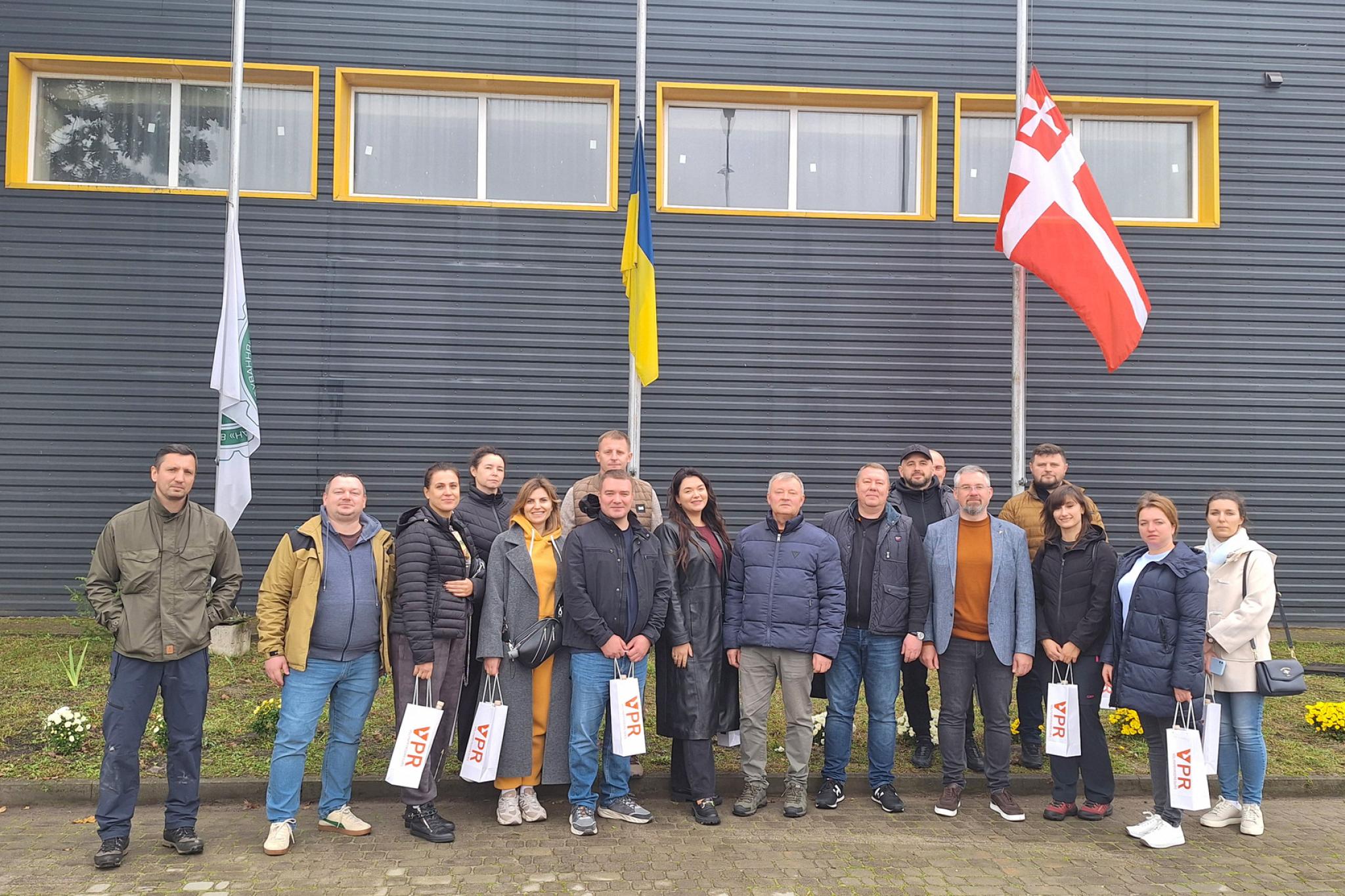
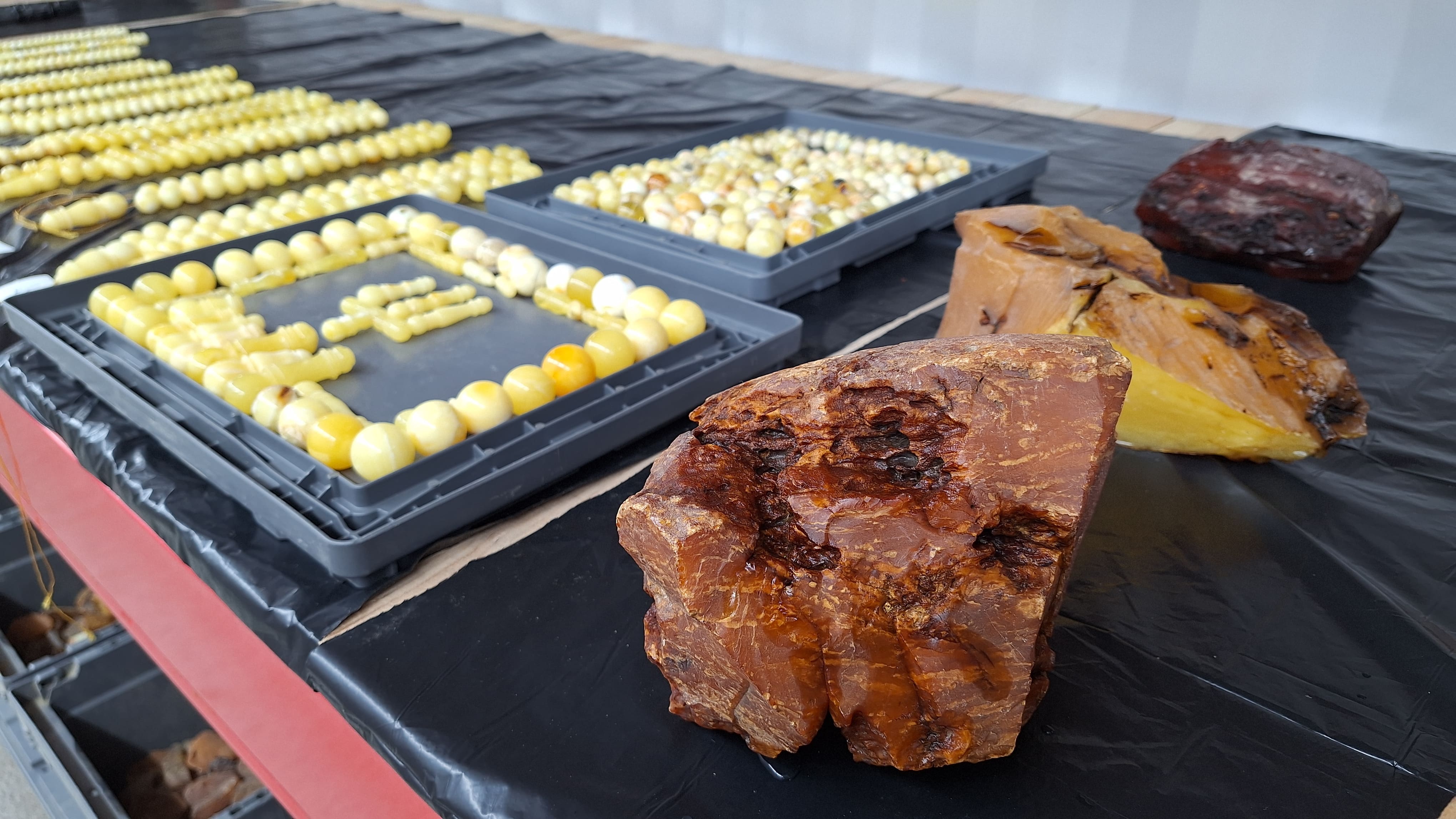
During the visit, Anatolii Kapustiuk, Director of the Municipal Enterprise, presented the operations of the amber beneficiation and processing plant, providing guests with a detailed overview of every stage of the technological process. Representatives of the State Commission of Ukraine on Mineral Resources (SCMR) had the opportunity to see the amber processing workflow firsthand and examine unique samples of this natural gemstone.
More details about the report are available at the link: State Commission of Ukraine on Mineral Resources and ME Volynpryrodresurs: visit to the amber beneficiation and processing plant.
More Details About the Conference Program and Sessions
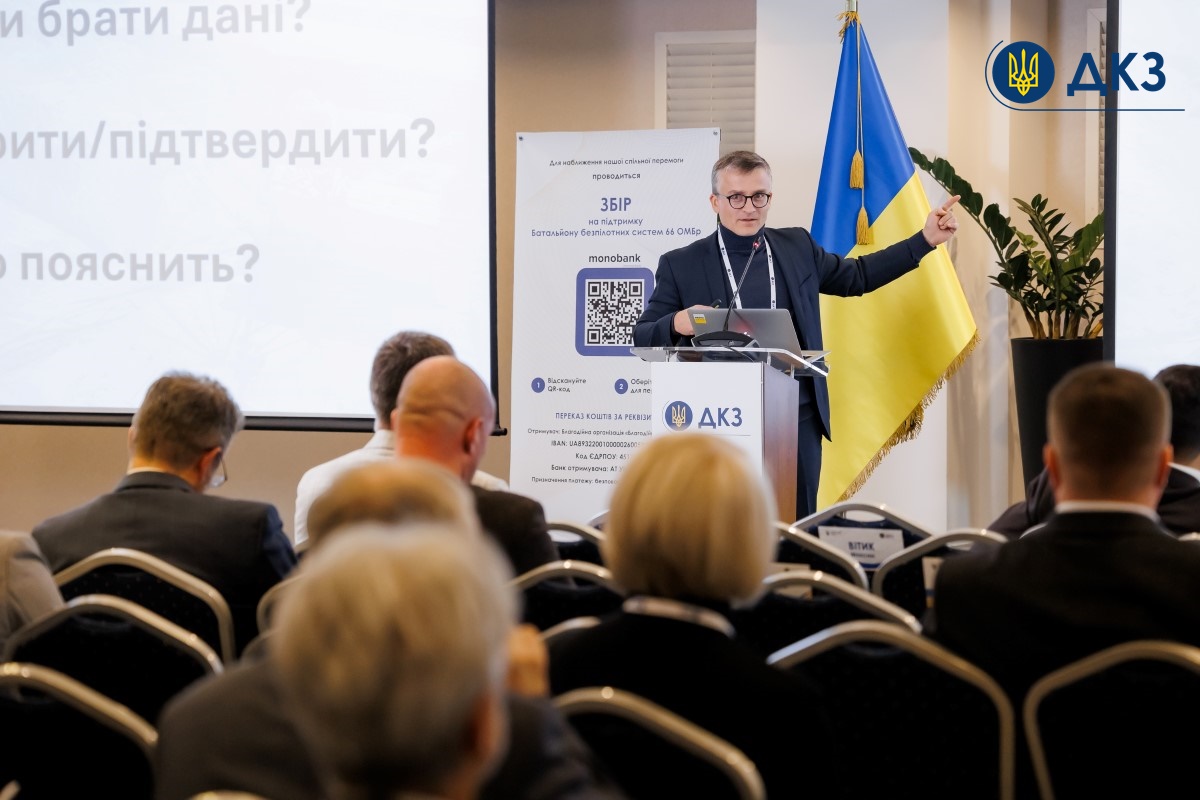
Section 1: Critical and Strategic Minerals — Global Opportunities for Ukraine
This section focuses on the prospects for the extraction, assessment, and use of critical and strategic minerals in Ukraine, as well as the related technological, economic, environmental, and informational aspects. It covers global trends, emerging technologies, secure supply chains, geological research, and methodological approaches to resource evaluation.
Key topics include:
Rare earth elements in Ukraine’s subsoil
New technological solutions and international experience in implementing Ta–Nb projects
Building secure supply chains for critical raw materials: the BLOOM project and Taurus Infinity case study
Overview of approaches to defining critical minerals lists in the USA, EU, and Ukraine
Geostatistical methods as a tool to enhance the reliability of strategic and critical mineral assessments in Ukraine
Application of the fractal method for the geological-economic assessment of germanium-bearing lignites based on the Byhanske deposit
Information and communication challenges in subsoil use — perspectives from sectoral media
Prospects for lithium extraction in Ukraine
Prospects for graphite extraction in Ukraine
Geological factors enhancing the hydrocarbon potential of the Yuzivska area
Methodological foundations for identifying cartographic indicators of industrial helium concentrations in Ukraine
Roadmap for Ukraine’s water-hydrogen strategy and pathways to European implementation
Metallogenic research in Ukraine
Geoinformation support for the prospecting of critical raw material deposits
Improving the efficiency of hydrocarbon prospecting in tectonically screened traps
Applied aspects of academic research at the Institute of Geological Sciences of the National Academy of Sciences of Ukraine
Section 2. Reforming Subsoil Use: Transparency, Openness, Accessibility
The second section of the conference focused on reforming Ukraine’s subsoil-use system with an emphasis on transparency, openness, and accessibility. Participants discussed regulatory, methodological, and technological aspects of state oversight, amendments to resource and reserve classifications, and the role of modern technologies and qualified professionals in ensuring effective mineral resource management. Special attention was given to investment prospects and risks in the subsoil-use sector, as well as the challenges faced by the national geological service and potential solutions.
Key topics included:
Regulatory and methodological aspects of state expertise and mineral reserve assessment as part of the mineral resource management system
Implementation of changes to the classification of mineral reserves and resources of the State Subsoil Fund into secondary legislation as a driver of sectoral reform
Integrated approaches, modern technologies, and professional expertise: SE Ukrnaukageocenter as a reliable partner for Ukraine’s oil and gas companies
Investment prospects of subsoil use in Ukraine: risks and opportunities
Challenges facing Ukraine’s state geological service and subsoil sector, and optimal pathways for their resolution
Section 3. Investment Potential of Ukraine’s Mineral Resource Base
The third section of the conference focused on analysing Ukraine’s investment potential in the mineral resource sector. Participants discussed the current state and prospects for the development of key deposits — including oil, graphite, potash, and iron ores — as well as opportunities to utilise unconventional resources such as shales and talc schists. Considerable attention was given to reserve verification methodologies based on UN international standards, issues of safe and economically efficient extraction, and the role of new approaches and technologies in attracting investment and advancing the mining sector.
The section also reviewed practical experience with production-sharing agreements during wartime conditions and new opportunities enabled by modern deposit-mapping methods.
Topics of Section 3 included:
Deposits of the Western Black Sea region of Ukraine: oil or oil-bitumen?
Verification of iron ore reserves from the State Subsoil Fund of Ukraine not allocated for use, according to UN FC standards
Prospects of production-sharing agreements under martial law
Application of UN FC standards during verification of graphite reserves from the State Subsoil Fund of Ukraine not allocated for use
Potential use of talc schists from the Inhulets iron quartzite deposit (Krivbas) for brick production
Current state and development prospects of potash deposits in western Ukraine as a source of critical mineral raw materials
History of research on graphite-bearing sediments and their investment potential
Section 4. Mineral Resource Management for Sustainable Development
The fourth section of the conference focused on effective mineral resource management within the broader context of sustainable development. Participants discussed international cooperation and project activities of the Union of Geologists of Ukraine, opportunities for expanding the national resource base through the utilisation of technogenic sites, and the importance of restoring and expanding geological-prospecting mapping across Ukrainian regions. Special attention was devoted to amber extraction, particularly the legal aspects of geological exploration using hydromechanised methods that ensure safe and compliant subsoil use.
Topics of Section 4:
International cooperation and project activities of the Union of Geologists of Ukraine
Technogenic sites as a pathway to expanding Ukraine’s resource base
Legal aspects of conducting amber geological exploration using hydromechanised methods
Section 5. Methodology and Practice of Geological and Economic Assessment of Mineral Deposits Across Classification Systems
The fifth section focused on methodologies for assessing mineral reserves and resources according to both international and domestic standards. Discussions covered international approaches to the classification of geothermal and hydrocarbon resources, practical aspects of applying the SPE-PRMS system, determining porosity and filtration properties of reservoir rocks, assessing potash reserves, geological study of waste-heap deposits, and updating CRIRSCO templates and the JORC Code.
Topics of Section 5:
Geothermal resource classification: international experience and domestic practice
PRMS: conditions for converting hydrocarbon volumes into the “contingent resources” class
Potential of natural gas reserves of uncertain commercial value for strengthening Ukraine’s gas resource base
Selected aspects of improving geological-economic evaluation reporting for oil and gas reserves
Results of implementing international petroleum standards in oil and gas reserve and resource assessment
Practical aspects of applying SPE-PRMS in assessing the resource base of Ukrgasvydobuvannya
Features of determining porosity coefficients using geophysical methods in complex reservoir rocks
Determining effective porosity coefficients in compacted reservoirs using acoustic logging data
On defining lower boundaries of filtration-capacity properties in reservoir rocks
Approaches to defining calculation parameters in anisotropic formations
Justification of methodologies for studying iron-ore subsoil use
Geological study of coal-mine waste heaps in the Lviv-Volyn Coal Basin as technogenic deposits of construction raw materials
Geological-economic assessment of potash deposits of the Precarpathian Trough: mineral composition, specifics of additional exploration, extraction and processing challenges, and updates to classification approaches
Updating the CRIRSCO template and the JORC Code
Section 6. Ukraine’s Energy Independence: Expanding the Nation’s Energy Potential
The sixth section of the conference addressed strategic pathways to strengthening Ukraine’s energy independence and maximising the country's energy potential. Participants discussed the geological structure and hydrocarbon prospects of Carpathian formations, the use of remote-sensing and 3D technologies to identify new deposits, modernisation of well-based geophysical studies, development of hydropower, and the introduction of innovative technologies into the extractive sector. Considerable attention was given to identifying prospective hydrocarbon areas, integrating advanced interpretation technologies, and expanding the use of renewable energy sources — including wind energy — to support sustainable energy development.
Topics of Section 6:
Geological structure and hydrocarbon potential of the Voronenka structure within the Carpathian thrust belt.
Modernisation of the regulation of well geophysical surveys in Ukraine: a comparative analysis of international experience and a reform strategy.
Development of hydropower in the Zakarpattia region of Ukraine in the context of sustainable development.
Conditions of formation of Cretaceous deposits in the Ukrainian Carpathians and prospects for their hydrocarbon potential.
Application of a new paradigm for mapping commercial hydrocarbon accumulations of arbitrary morphology, origin and depth for appraisal and discovery of new petroleum systems.
Nature of secondary reservoirs in deep-lying horizons of the central part of the Dnipro–Donets Basin.
Assessment of the current status of previously explored gas reserves and recommendations for their development and further appraisal.
Challenges and development pathways for geological exploration at JSC “Ukrgasvydobuvannia”.
Identification of non-structural and combined trap types based on 3D seismic data.
Dolphin and Skifska fields: paving a new offshore pathway towards Ukraine’s energy independence.
A new stage in the development of hydrocarbons in low-permeability reservoirs: drilling of horizontally completed wells with multi-stage hydraulic fracturing.
Identification of prospective areas within depleted fields based on integrated analysis of geological information and 3D seismic data.
Specific features of the near-front zone of the Sambir thrust and prospects for gas potential.
Expansion of the resource base of mature fields based on seismic exploration results and the implementation of new interpretation technologies.
Features of hydrocarbon accumulation within the Plativ–Hrakiv structural zone.
A multidisciplinary approach to assessing the generation and production potential of unconventional Visean oil and gas source-reservoir systems in the Dnipro–Donets Basin.
Quantitative interpretation of seismic and well data for hydrocarbon prospect prediction in the western oil and gas region of Ukraine.
Application of remote sensing methods for hydrocarbon exploration in mountainous areas (online presentation).
On the distribution of hydrocarbon accumulations in the Fore-Carpathian Depression and the Outer Carpathians; identification of new prospective areas for geothermal water exploration.
Seismicity and geothermal potential of the Fore-Carpathian marginal trough (Lviv, Ivano-Frankivsk and Chernivtsi regions).
Sedimentological analysis of gravity-flow reservoirs as an innovative tool for assessing hydrocarbon potential (Ukrainian Carpathians).
Wind energy: prospects and environmental constraints (case study of the Republic of Türkiye).
Refinement of salt diapir geometry and mapping of thrust-related commercial hydrocarbon accumulations using joint spatial inversion of gravimetric, well and seismic data.
Section 7: Environmental Issues Related to Mineral Resource Development
The conference section brought together experts to discuss the environmental impacts of mineral resource development, including effects on hydrogeological regimes, waste management, protection of water resources and soils, as well as strategies for mitigating environmental risks in complex geological settings. Presentations highlighted the need for a sustainable approach to subsoil use in order to minimise environmental damage and ensure a safe future for regions across Ukraine.
Presentation Topics:
The attributive factor in transformational changes of the hydrogeological regime during the development of the Novoukrainske granite deposit.
Volumes of accumulation and efficiency of utilisation of mining waste in the Lviv region.
Environmental safety of water resources in the south-eastern regions of Ukraine.
Assessment of technogenic impact on soils in coal waste dump areas: a case study of the Lviv–Volyn Coal Basin.
The concept during the operation and closure of salt deposits under complex mining-geological and hydrogeological conditions and activation of hazardous geological processes.
Section 8: Use of Groundwater Resources
The session, held from 11:10 to 12:00, brought together experts to discuss key issues related to drinking water supply, protection of groundwater abstraction zones, therapeutic use of mineral waters, and the application of modern technologies for groundwater assessment. Particular attention was given to the challenges posed by martial law, integration with European standards, and environmental safety, highlighting the strategic importance of groundwater resources for Ukraine’s sustainable development.
Key Topics:
Drinking water supply for the population under martial law (case study of Ukrainian cities with populations exceeding 100,000 located within the Donets Fold Belt).
Protection zones of groundwater abstraction sites in the context of EU integration and comparative analysis of legislative approaches.
Brine waters of Ukraine and their therapeutic applications.
Mineral waters of the Svicha River basin, Ivano-Frankivsk region.
Geoinformation technologies for groundwater condition assessment.
Section 9: Green Transition – Challenges and Prospects
This session focused on engineering-geological aspects of site selection for wind energy installations, taking into account the geological characteristics of the Carpathian region. The presentation emphasised the importance of environmentally oriented approaches to energy projects as a key element of Ukraine’s transition to a green economy.
Main Topic:
Engineering-geological criteria for selecting optimal sites for wind energy installations within the distribution area of the Carpathian flysch formation.
PHOTO SOURCE: International Scientific and Practical Conference “Subsoil Use in Ukraine: Investment Prospects”